


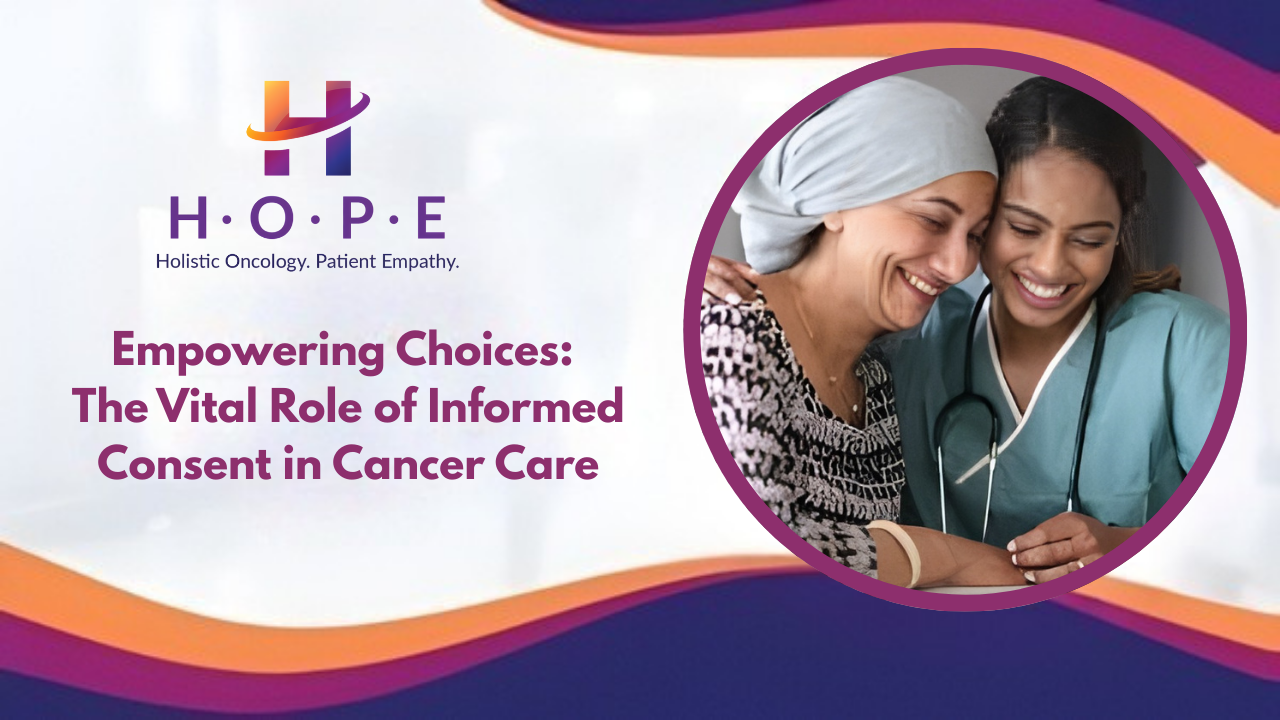
Informed consent is a fundamental principle in healthcare that upholds patients’ rights to make autonomous decisions about their medical treatment. In the context of cancer care, informed consent plays a crucial role in ensuring that patients are fully informed about their diagnosis, treatment options, potential risks and benefits, and alternatives before making decisions about their care. In this article, we’ll explore the importance of informed consent in cancer care, key elements of the informed consent process, challenges, and strategies for promoting patient-centered decision-making.
Importance of Informed Consent in Cancer Care:
In cancer care, treatment decisions can have significant implications for patients’ health, quality of life, and overall well-being. Informed consent empowers patients to actively participate in their care by providing them with the information they need to make decisions that align with their values, preferences, and goals. It fosters trust between patients and healthcare providers, promotes shared decision-making, and respects patients’ autonomy and dignity.
Key Elements of the Informed Consent Process:
The informed consent process in cancer care involves several key components to ensure that patients have a comprehensive understanding of their diagnosis and treatment options:
Disclosure of Information:
Healthcare providers must disclose relevant information about the patient’s diagnosis, prognosis, treatment options, including potential risks and benefits, and alternatives in a clear and understandable manner.
Understanding:
Patients should have the opportunity to ask questions, seek clarification, and discuss their concerns with healthcare providers to ensure that they fully comprehend the information provided.
Capacity:
Patients must have the capacity to understand the information presented, appreciate the consequences of their decisions, and make voluntary choices based on their own values and preferences.
Voluntariness:
Patients should be free from coercion, undue influence, or pressure when making decisions about their care. They should have the right to refuse or withdraw consent at any time without fear of retribution.
Documentation:
Informed consent should be documented in the patient’s medical record, including details of the information provided, discussions held, and the patient’s decision regarding treatment.
Challenges in the Informed Consent Process:
Despite its importance, the informed consent process in cancer care can be challenging due to various factors, including:
Complexity of Information:
Cancer diagnosis and treatment involve complex medical information that may be difficult for patients to understand, especially during times of stress and emotional distress.
Time Constraints:
Healthcare providers may face time constraints during consultations, limiting the amount of time available to discuss treatment options and address patients’ questions and concerns thoroughly.
Health Literacy:
Patients with limited health literacy may have difficulty understanding medical terminology and interpreting complex information, potentially leading to misunderstandings or incomplete comprehension of their treatment options.
Emotional Distress:
Cancer diagnosis and treatment can evoke intense emotions, such as fear, anxiety, and uncertainty, which may impact patients’ ability to engage in the informed consent process effectively.
Language and Cultural Barriers:
Language barriers and cultural differences can pose challenges to effective communication and understanding between patients and healthcare providers, particularly in multicultural and diverse healthcare settings.
Strategies for Promoting Patient-Centered Decision-Making:
To address the challenges associated with informed consent in cancer care and promote patient-centered decision-making, healthcare providers can implement the following strategies:
Effective Communication:
Use clear, plain language and visual aids to explain complex medical information and treatment options to patients. Encourage patients to ask questions, express their concerns, and seek clarification as needed.
Shared Decision-Making:
Adopt a collaborative approach to decision-making that involves patients as active participants in their care. Discuss treatment goals, preferences, and values with patients to develop personalized treatment plans that align with their individual needs and priorities.
Tailored Information:
Provide information tailored to patients’ level of health literacy, cultural background, and personal preferences. Use interpreters or language services when necessary to ensure effective communication with patients who have limited English proficiency.
Supportive Resources:
Offer patients access to educational materials, online resources, and support services to supplement their understanding of their diagnosis and treatment options. Provide opportunities for patients to consult with additional healthcare professionals, such as oncology nurses, social workers, or genetic counselors, to address their informational and psychosocial needs.
Ongoing Communication:
Maintain open lines of communication with patients throughout their cancer care journey. Schedule regular follow-up appointments to reassess patients’ understanding, preferences, and treatment goals, and adjust the treatment plan as needed based on their evolving needs and circumstances.
Informed consent is a cornerstone of ethical healthcare practice that empowers patients to make informed decisions about their cancer care. By ensuring that patients have access to accurate, understandable information and opportunities for meaningful engagement in the decision-making process, healthcare providers can promote patient-centered care that respects patients’ autonomy, fosters trust, and enhances overall treatment outcomes. Effective communication, shared decision-making, and culturally responsive care are essential components of the informed consent process in cancer care, facilitating collaborative partnerships between patients and healthcare providers and empowering patients to navigate their cancer journey with confidence and dignity.