


Targeted Therapy
Hope Oncology Clinic provides advanced targeted therapy for cancer in South Delhi, offering a modern treatment approach designed to attack cancer cells while minimizing harm to healthy tissues.
At Hope Oncology Clinic, targeted therapy is carefully planned after detailed diagnostic evaluations, including molecular and biomarker testing where appropriate. This allows our oncology specialists to identify the most suitable targeted medicines for each patient, ensuring a personalized treatment strategy tailored to the cancer type and stage.
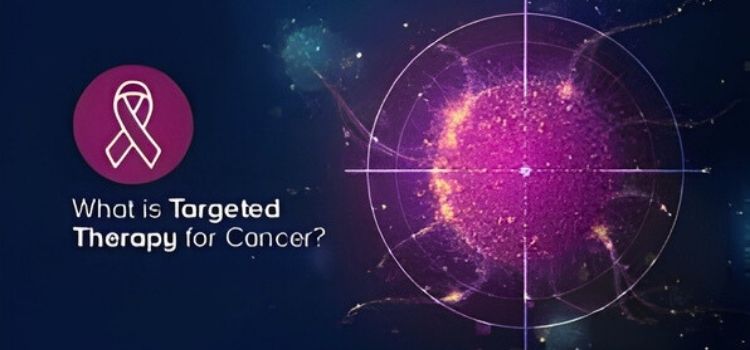
What is Targeted Therapy?
Targeted therapy refers to a new treatment for cancer that uses drugs targeted at specifically attacking cancer cells depending on their genetic or molecular profile. It involves disrupting cancer cell growth signals with little effect on normal cells.
Types Of Targeted Therapy
Targeted therapies primarily fall into two categories, (depending on their molecular weight & ability to panel rate.)
- Small-Molecule Drugs: These are small enough to penetrate cells, making them suitable for targeting proteins inside cells.
- Monoclonal Antibodies: Also known as therapeutic antibodies, these lab-produced proteins are designed to attach to specific cancer cell targets. They may enhance immune recognition and destruction of cancer cells, impede their growth, induce self-destruction, or transport toxins to cancer cells.
Patient Eligibility For Targeted Therapy
While some cancers, such as chronic myelogenous leukaemia (CML), may have a common drug target for many patients, biomarker testing is typically needed to identify suitable treatment options. Biomarker testing involves analysing the tumour for specific targets that match available drugs. In majority of cases will be required to obtain the necessary tumour sample for testing.
Drawbacks Of Targeted Therapy
Targeted therapy has limitations:
- Development of Resistance: Cancer cells may become resistant to targeted therapy through target changes or alternative growth pathways. Combining multiple targeted therapies or incorporating them with other treatments like chemotherapy or radiation can address resistance.
- Success of this targeted therapy is seen in lung cancer. lung cancer, when treated, targeted therapies (coned from previous) a simple oral tablet can control advanced stage of lung cancer upto the tune of 6 years & more (where with conventional chemo, this duration is = 3 years)
- Complexity of Drug Development: Developing drugs for certain targets can be challenging due to the target’s structure and function within the cell.
Side Effects Of Targeted Therapy
While initially considered less toxic than chemotherapy, targeted therapy can still induce significant side effects. Common side effects include diarrhoea and liver issues, with additional potential side effects such as blood clotting problems, high blood pressure, fatigue, mouth sores, nail changes, hair colour loss, skin issues, and very rarely, the formation of holes in gastrointestinal organs. Medications are available to prevent or manage these side effects, and most tend to subside after few months of treatment or after discontinuation.
What To Expect During Targeted Therapy
- Administration: Small-molecule drugs are typically taken orally as pills or capsules, while monoclonal antibodies are usually delivered through a vein using a needle.
- Treatment Location: Depending on the drugs and administration method, targeted therapy can be taken at home, in a doctor’s office, clinic, or outpatient unit within a hospital. It is typically administered on an outpatient basis.
- Treatment Schedule: The frequency and duration of targeted therapy depend on cancer type, its stage, the specific targeted therapy used, individual responses, and the inclusion of rest periods between treatment cycles.
- Impact on Well-Being: How targeted therapy affects an individual varies, influenced by their overall health, cancer type, stage, the specific targeted therapy, and dosage. Predicting an individual’s specific response to treatment is challenging for doctors and nurses.
Targeted therapy represents a promising approach in the field of cancer treatment, offering personalized options for patients based on their unique cancer profiles.