



Cancer Chemotherapy
Hope Oncology Clinic provides trusted and personalized cancer chemotherapy in South Delhi, helping patients receive effective treatment in a safe, supportive, and caring environment.
At Hope Oncology Clinic, chemotherapy treatment is planned and supervised by experienced oncologists. Each patient receives a customized chemotherapy protocol based on medical evaluation, cancer type, overall health, and treatment goals. Our team ensures careful monitoring to manage side effects and maintain patient comfort throughout the treatment process.
What is Chemotherapy?
Chemotherapy is a widely used cancer treatment that works by destroying cancer cells or stopping them from growing and dividing. Cancer cells multiply rapidly, and chemotherapy medicines are designed to target this fast growth, helping control the spread of the disease. Depending on the type and stage of cancer, chemotherapy may be used as the main treatment or combined with surgery, radiation therapy, immunotherapy, or targeted therapy.
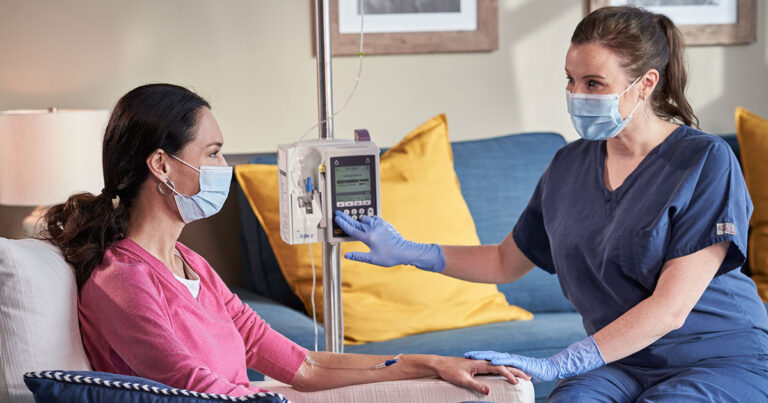
Chemotherapy can be given in different ways, including through injections, intravenous (IV) infusions, oral tablets, or capsules.
Integration of Chemotherapy with Other Cancer Therapies
When combined with other treatment, chemotherapy can:
- Reduce tumour size prior to surgery or radiation therapy (known as neoadjuvant chemotherapy).
- Eliminate residual cancer cells following surgery or radiation therapy (referred to as adjuvant chemotherapy).
- Enhance the effectiveness of other treatment modalities.
- Target cancer cells that have metastasized or recurred in different parts of the body.
Chemotherapy and Its Side Effects
While chemotherapy is effective at targeting fast-growing cancer cells, it can also impact healthy cells that divide rapidly, such as those lining the mouth and intestines or contributing to hair growth. This can result in common side effects like Nausea, Hair Loss, Mouth Sores. Each individual chemotherapy agents’ can have their unique side-effects as well. Typically, these side effects improve or disappear after the completion of chemotherapy. The most common side effect is fatigue, characterized by feeling exceptionally tired. To manage fatigue, you can:
- Arrange for transportation to and from chemotherapy sessions.
- Allocate time for rest on the day of treatment and the subsequent day.
- Seek assistance with meal preparation and childcare on the day of treatment and at least one day afterward.
Numerous strategies are available to help manage chemotherapy-related side effects. You can connect with our medical team to understand the same.
Understanding the Cost of Chemotherapy
The cost of chemotherapy hinges on factors such as the types and dosages of chemotherapy drugs used, the duration and frequency of treatment, the setting (home, clinic, or hospital), and geographical location. It is advisable to discuss payment options and coverage with your health insurance provider, as most insurance plans cover chemotherapy.
What to Expect During Chemotherapy
- Administration Methods: Chemotherapy may be administered
- orally (in pill, capsule, or liquid form),
- intravenously (directly into a vein),
- through injections,
- intrathecally (into the space around the brain and spinal cord),
- intraperitoneally (directly into the abdominal cavity),
- intra-arterially (injected into the artery supplying the cancer),
- or topically (applied as a skin cream).
Missing a Chemotherapy Treatment
Skipping a chemotherapy session is generally discouraged. However, adjustments to the treatment schedule may be necessary if certain side effects occur. In such cases, healthcare professionals will provide guidance on when to resume treatment.
How Chemotherapy May Impact You
The effects of chemotherapy vary from person to person and depend on factors like the chemotherapy type, dose, cancer type, stage, overall health, and individual responses. Your medical team cannot predict precisely how you will feel during chemotherapy.
How your body reacts to chemotherapy is also critical factor.
Assessing the Effectiveness of Chemotherapy
Doctors regularly evaluate chemotherapy’s effectiveness through physical examinations, medical tests, and scans like MRI, CT, or PET scans. It is important to note that side effects do not correlate with the efficacy of chemotherapy in combating cancer.
Special Dietary Considerations During Chemotherapy
Chemotherapy can harm the healthy cells lining the mouth and intestines, potentially leading to eating difficulties. If you encounter such issues, inform your healthcare team. Consulting with a dietitian can also be beneficial. In general, you can eat lot of things during chemotherapy as per your diet plan.
Remember, there are lot of myths about diet & cancer.
Working During Chemotherapy
Many individuals can continue working during chemotherapy by adjusting their schedules to their well-being. The ability to work may vary depending on your job. Employers are often legally obligated to accommodate employees undergoing cancer treatment, so discussing potential adjustments with your employer is recommended. You can learn more about relevant laws by speaking with a social worker.
Immune cells & as a result, they are not destroyed & proliferate.