



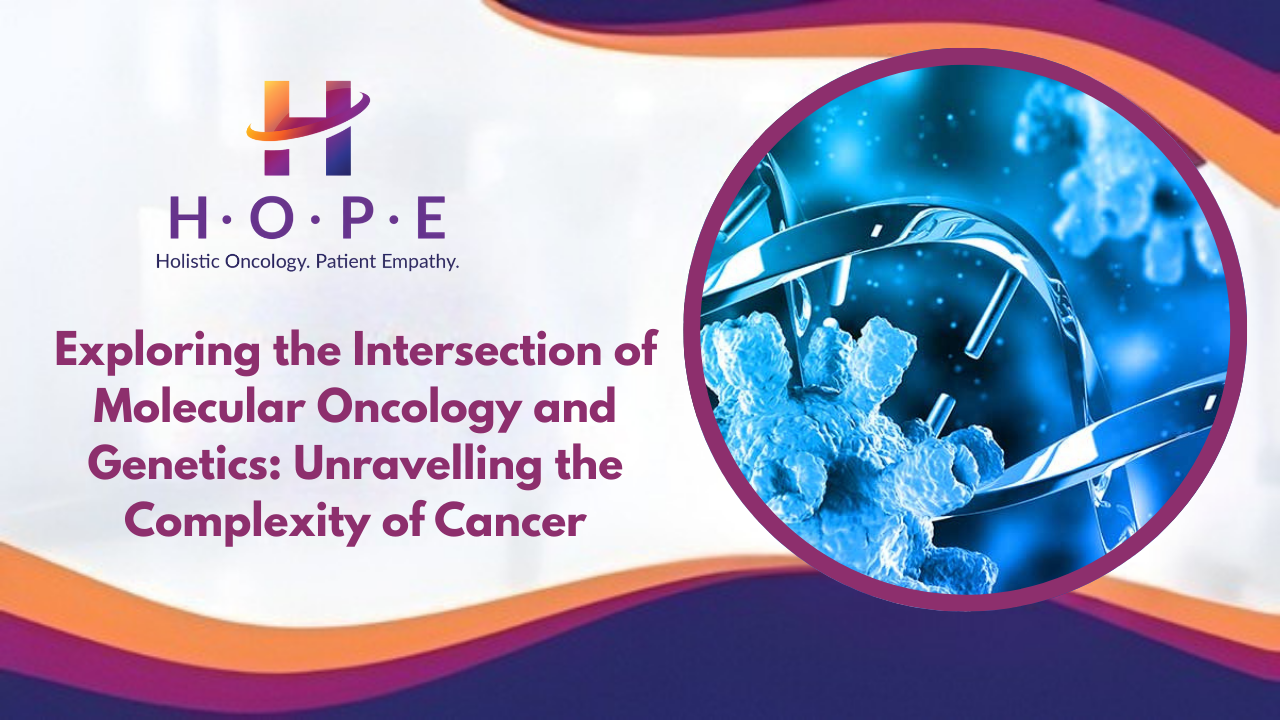
In recent decades, significant advancements in molecular oncology and genetics have revolutionized our understanding of cancer biology, leading to innovative approaches for cancer prevention, diagnosis, and treatment. The integration of molecular biology and genetics has provided insights into the underlying mechanisms driving cancer development, progression, and response to therapy. In this comprehensive article, we will explore the intricate relationship between molecular oncology and genetics, highlighting key concepts, recent discoveries, and promising avenues for cancer research and clinical practice.
Understanding Molecular Oncology:
Molecular oncology focuses on the study of the molecular mechanisms underlying cancer initiation, progression, and metastasis. It encompasses a wide range of disciplines, including molecular biology, genomics, proteomics, epigenetics, and bioinformatics, to elucidate the complex interplay between genetic and environmental factors contributing to cancer development. By unraveling the molecular alterations driving oncogenesis, researchers aim to identify novel therapeutic targets, biomarkers, and personalized treatment strategies tailored to individual patients.
Key Concepts in Molecular Oncology:
Oncogenes and Tumor Suppressor Genes:
Oncogenes are genes that promote cell proliferation and survival when mutated or overexpressed, contributing to the development of cancer. Examples of oncogenes include HER2 (human epidermal growth factor receptor 2) and BRAF (B-Raf proto-oncogene).
Tumor suppressor genes, on the other hand, regulate cell growth and prevent tumor formation. Loss-of-function mutations in tumor suppressor genes, such as TP53 (tumor protein p53) and PTEN (phosphatase and tensin homolog), can lead to uncontrolled cell growth and carcinogenesis.
Driver Mutations and Passenger Mutations:
Driver mutations are genetic alterations that confer a selective growth advantage to cancer cells, driving tumor initiation and progression. These mutations typically occur in key oncogenes or tumor suppressor genes and are essential for tumorigenesis.
Passenger mutations, on the other hand, are genetic alterations that accumulate during cancer development but do not directly contribute to tumor growth. They arise as a result of genomic instability and often reflect the mutational landscape of cancer cells.
Signaling Pathways and Molecular Targets:
Cancer cells hijack signaling pathways involved in cell growth, survival, and metastasis to promote their aberrant proliferation and survival. Targeted therapies aim to disrupt these signaling pathways by targeting specific molecular aberrations, such as receptor tyrosine kinases (e.g., EGFR, HER2) or intracellular signaling molecules (e.g., RAF, MEK).
Examples of targeted therapies include tyrosine kinase inhibitors (TKIs), monoclonal antibodies, and small molecule inhibitors that selectively inhibit oncogenic signaling pathways, leading to tumor regression and improved patient outcomes.
Tumor Microenvironment and Immune Evasion:
The tumor microenvironment plays a critical role in cancer progression by providing a supportive niche for tumor growth, angiogenesis, and immune evasion. Stromal cells, immune cells, and extracellular matrix components within the tumor microenvironment can modulate tumor behavior and therapeutic response.
Immunotherapy, which harnesses the power of the immune system to target and eliminate cancer cells, has emerged as a promising treatment approach for various cancers. Immune checkpoint inhibitors, such as programmed cell death protein 1 (PD-1) and cytotoxic T-lymphocyte-associated protein 4 (CTLA-4) inhibitors, have shown remarkable efficacy in certain cancer types, leading to durable responses and long-term survival in some patients.
Precision Medicine and Personalized Therapy:
Precision medicine aims to tailor cancer treatment to the individual characteristics of each patient, including their genetic makeup, tumor biology, and clinical profile. By integrating molecular profiling technologies, such as next-generation sequencing (NGS) and liquid biopsy, clinicians can identify actionable mutations, biomarkers, and therapeutic targets to guide treatment decisions.
Personalized therapy encompasses a variety of targeted therapies, immunotherapies, and combination regimens designed to exploit specific molecular vulnerabilities in cancer cells while minimizing toxicity and maximizing therapeutic efficacy. This approach holds great promise for improving treatment outcomes and optimizing patient care across diverse cancer types.
Genetics in Cancer Susceptibility and Inheritance:
Genetic factors play a crucial role in cancer susceptibility and inheritance, influencing an individual’s risk of developing cancer and the likelihood of cancer recurrence in families. While most cancers are sporadic and arise from a combination of genetic and environmental factors, a subset of cancers has a hereditary component linked to inherited genetic mutations.
Hereditary Cancer Syndromes:
Hereditary cancer syndromes are genetic conditions characterized by an increased predisposition to certain types of cancer within families. These syndromes are typically caused by germline mutations in specific genes that confer a higher risk of cancer development. Examples of hereditary cancer syndromes include:
- Hereditary Breast and Ovarian Cancer Syndrome (BRCA1/BRCA2 mutations)
- Lynch Syndrome (MLH1, MSH2, MSH6, PMS2 mutations)
- Familial Adenomatous Polyposis (APC mutations)
- Li-Fraumeni Syndrome (TP53 mutations)
- Hereditary Diffuse Gastric Cancer (CDH1 mutations)
Genetic Testing and Counseling:
Genetic testing enables individuals to identify inherited genetic mutations associated with hereditary cancer syndromes, allowing for personalized risk assessment, early detection, and preventive measures. Genetic counseling plays a crucial role in the genetic testing process by providing individuals and families with information about their cancer risk, inheritance patterns, and available management options.
Genetic counselors work closely with patients to interpret genetic test results, address psychosocial concerns, and develop personalized screening and risk reduction strategies tailored to their individual needs and preferences.
Familial Cancer Clustering and Genetic Susceptibility:
Familial clustering of cancer cases within families may indicate an underlying genetic susceptibility to cancer. While these families may not meet the criteria for a specific hereditary cancer syndrome, they may still have an increased risk of developing certain cancers due to shared genetic and environmental factors.
Studies have identified common genetic variants, known as single nucleotide polymorphisms (SNPs), associated with an increased risk of developing specific cancer types. Genome-wide association studies (GWAS) have identified hundreds of SNPs linked to various cancers, providing insights into the genetic basis of cancer susceptibility and highlighting potential targets for future research and intervention.
Genetic Modifiers and Gene-Environment Interactions:
Genetic modifiers are genetic variations that modulate the effects of disease-causing mutations, influencing disease penetrance, severity, and age of onset. These modifiers can modify the phenotype of individuals carrying disease-causing mutations, leading to variable expressivity and clinical outcomes.
Gene-environment interactions refer to the interplay between genetic factors and environmental exposures in shaping cancer risk and progression. Environmental factors, such as tobacco smoke, ultraviolet radiation, diet, and lifestyle habits, can interact with genetic susceptibility factors to increase the likelihood of cancer development or influence tumor behavior.
The integration of molecular oncology and genetics has transformed our understanding of cancer biology and revolutionized cancer research and clinical practice. By elucidating the molecular mechanisms driving cancer initiation, progression, and treatment response, researchers and clinicians have identified novel therapeutic targets, biomarkers, and personalized treatment strategies that hold great promise for improving patient outcomes and advancing precision cancer care.
As our knowledge of molecular oncology and genetics continues to expand, so too will our ability to unravel the complexity of cancer and develop innovative approaches for cancer prevention, diagnosis, and treatment. By harnessing the power of molecular biology and genetics, we can pave the way for a future where cancer is not only understood but effectively managed and ultimately conquered.