


Brain Cancer Treatment
Brain Cancer Treatment & Care at H.O.P.E Oncology Clinic
Brain cancer is a serious and complex medical condition that affects the brain—the body’s most vital organ controlling movement, speech, memory, emotions, and essential life functions. Because of the brain’s sensitivity, treating brain cancer requires exceptional expertise, precise planning, and a deeply compassionate approach. At H.O.P.E Oncology Clinic, we are dedicated to providing comprehensive, ethical, and personalised brain cancer care that prioritises both medical outcomes and quality of life.
Founded by Dr. Amish Vora, a globally trained Medical Oncologist with experience across premier cancer institutions such as Tata Memorial Hospital, AIIMS, Memorial Sloan Kettering Cancer Center (USA), and the NHS (UK), H.O.P.E Oncology Clinic follows the philosophy of Holistic Oncology with Patient Empathy. Every treatment decision is guided by science, ethics, and genuine concern for the patient’s physical and emotional well-being.
What is Brain Cancer?
Brain cancer occurs when abnormal cells grow uncontrollably in the brain or nearby structures. It may be primary (originating in the brain) or secondary (spread from other organs). Due to the brain’s complexity, treatment requires expert planning and multidisciplinary care.
Common Symptoms of Brain Cancer
Symptoms vary depending on tumor location and size and may include:
- Persistent or worsening headaches
- New-onset seizures
- Vision, speech, or hearing problems
- Memory loss or personality changes
- Weakness or numbness in arms or legs
- Difficulty with balance or coordination
- Nausea or vomiting, especially in the morning
Advanced Diagnosis & Evaluation
At H.O.P.E Oncology Clinic, accurate diagnosis is the foundation of effective treatment:
- Detailed neurological examination
- Advanced MRI and CT brain imaging
- Biopsy and histopathological testing
- Molecular and genetic tumor profiling
- Risk stratification and staging
This comprehensive evaluation allows us to design the most effective and safest treatment plan.
Personalised Brain Cancer Treatment Options
Treatment is customised based on tumor type, grade, location, molecular profile, and patient health:
- Chemotherapy – Carefully selected drug regimens
- Targeted Therapy – Precision medicines aimed at specific tumor markers
- Immunotherapy – Strengthening the body’s immune response against cancer
- Radiation Therapy (coordinated care) – Brain-sparing advanced techniques
- Post-surgical oncology management – After neurosurgical intervention when needed
All treatments follow internationally accepted oncology protocols with a strict focus on avoiding unnecessary or excessive therapy.
Advanced Brain Cancer Treatment Options
Treatment is customized based on cancer type, stage, genetic profile, and patient health.
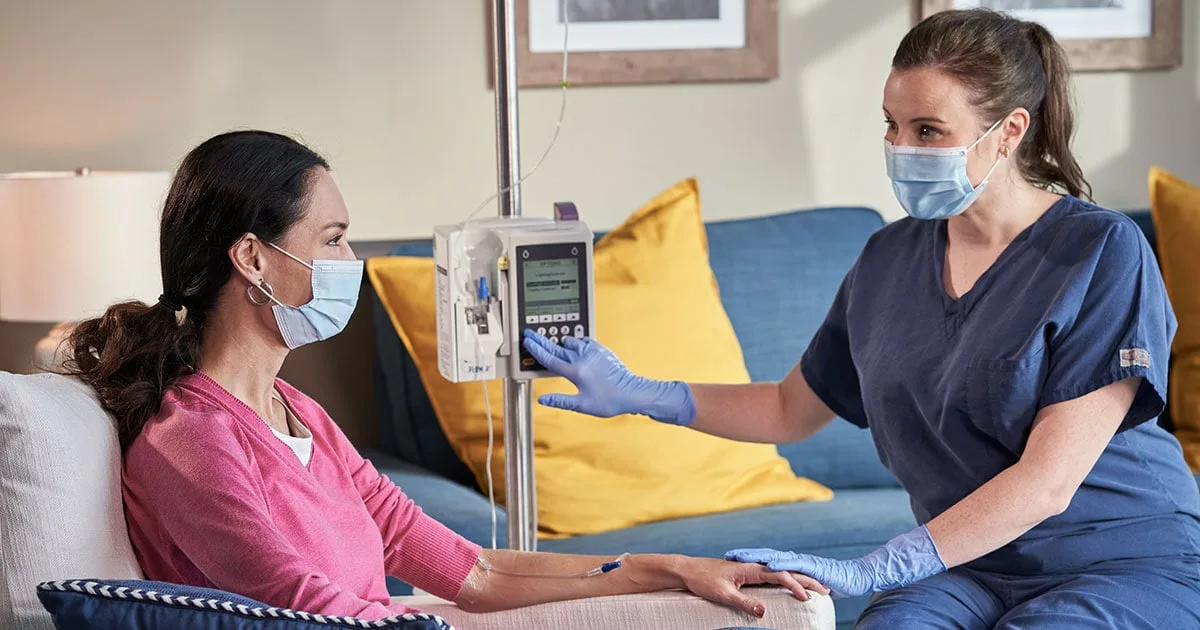
Chemotherapy
Primary treatment for many blood cancers , Given in cycles with careful monitoring
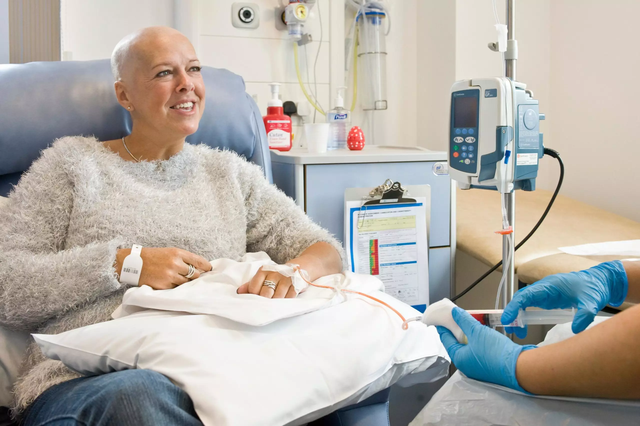
Targeted Therapy
Precision medicines targeting specific cancer cell abnormalities, Fewer side effects compared to traditional chemotherapy
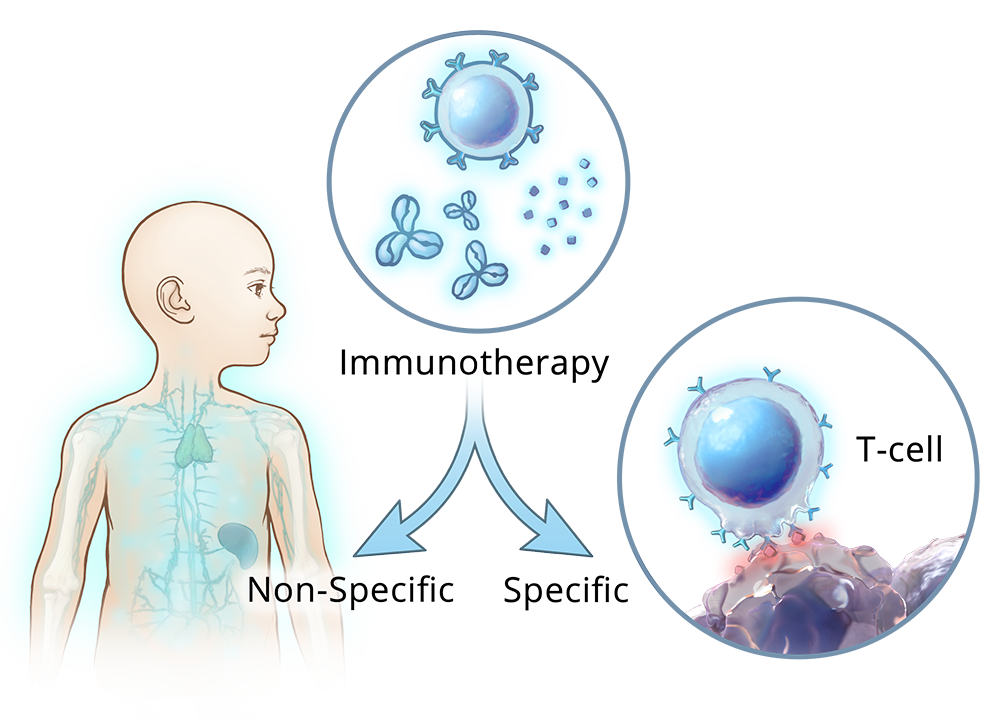
Immunotherapy
Strengthens the immune system to fight cancer, Effective in several leukemias and lymphomas
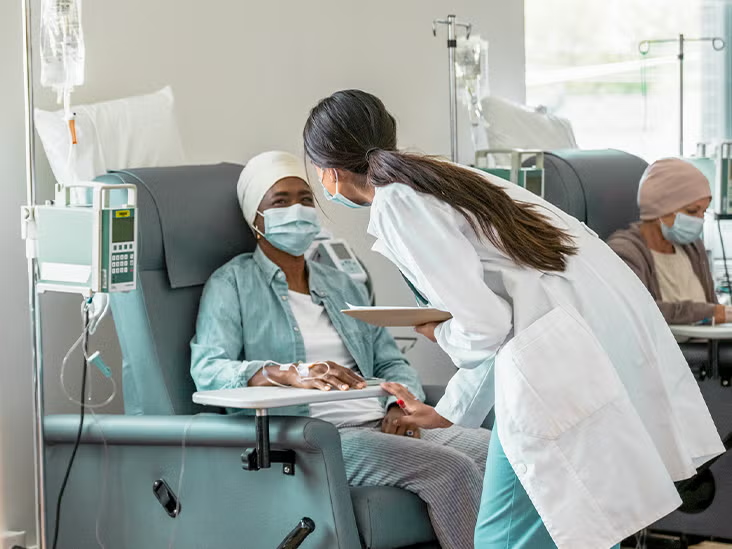
Supportive & Palliative Care
Management of symptoms and side effects Nutritional, psychological, and pain support