








Bone Cancer Treatment
Bone Cancer Treatment & Care at H.O.P.E Oncology Clinic
Welcome to H.O.P.E Oncology Clinic, where science meets soul and medicine meets meaning. Founded by Dr. Amish Vora, a renowned Medical Oncologist with decades of experience across leading global cancer institutions including Tata Memorial Hospital, AIIMS, Memorial Sloan Kettering Cancer Center (MSKCC, USA), and the NHS (UK), H.O.P.E – Holistic Oncology with Patient Empathy stands for ethical, affordable, and compassionate cancer care.
Bone cancer is a rare but serious condition that requires timely diagnosis, expert evaluation, and personalized treatment planning. At H.O.P.E Oncology Clinic, we offer comprehensive bone cancer care using evidence-based oncology protocols while supporting patients physically, emotionally, and psychologically throughout their treatment journey.
What Is Bone Cancer?
Bone cancer occurs when abnormal cells grow uncontrollably within a bone, destroying healthy bone tissue. Bone cancer may be primary (originating in the bone) or secondary (cancer that has spread to the bones from another organ such as breast, lung, or prostate).
Early diagnosis and the right oncology care significantly improve treatment outcomes and quality of life.
Signs & Symptoms of Bone Cancer
Symptoms may develop gradually and are often mistaken for minor injuries. Common warning signs include:
- Persistent bone pain, especially at night
- Swelling or lump over a bone
- Weak or brittle bones leading to fractures
- Reduced movement near joints
- Fatigue and unexplained weight loss
- Fever (in some cases)
Any persistent bone pain or swelling should be evaluated by an oncologist.
Causes & Risk Factors
Bone cancer can occur due to several factors, including:
- Genetic mutations
- Previous radiation therapy
- Certain inherited conditions
- Rapid bone growth (in children/adolescents)
- Cancer spread from other organs
Any persistent or unexplained symptom should be evaluated by an oncologist.
Bone Cancer Diagnosis at H.O.P.E Oncology Clinic
Accurate diagnosis is essential for effective treatment. At H.O.P.E, we follow international diagnostic standards, including:
- Detailed clinical evaluation
- Imaging tests (X-ray, MRI, CT scan, PET-CT)
- Bone biopsy for histopathological confirmation
- Blood tests and molecular studies
- Cancer staging and risk assessment
Advanced Bone Cancer Treatment Options
Treatment is highly individualized based on cancer type, stage, location, and patient health.

Chemotherapy
Often used before or after surgery, Effective in aggressive bone cancers like osteosarcoma and Ewing’s sarcoma

Targeted Therapy
Precision medicines based on tumor biology, Reduced damage to healthy cells
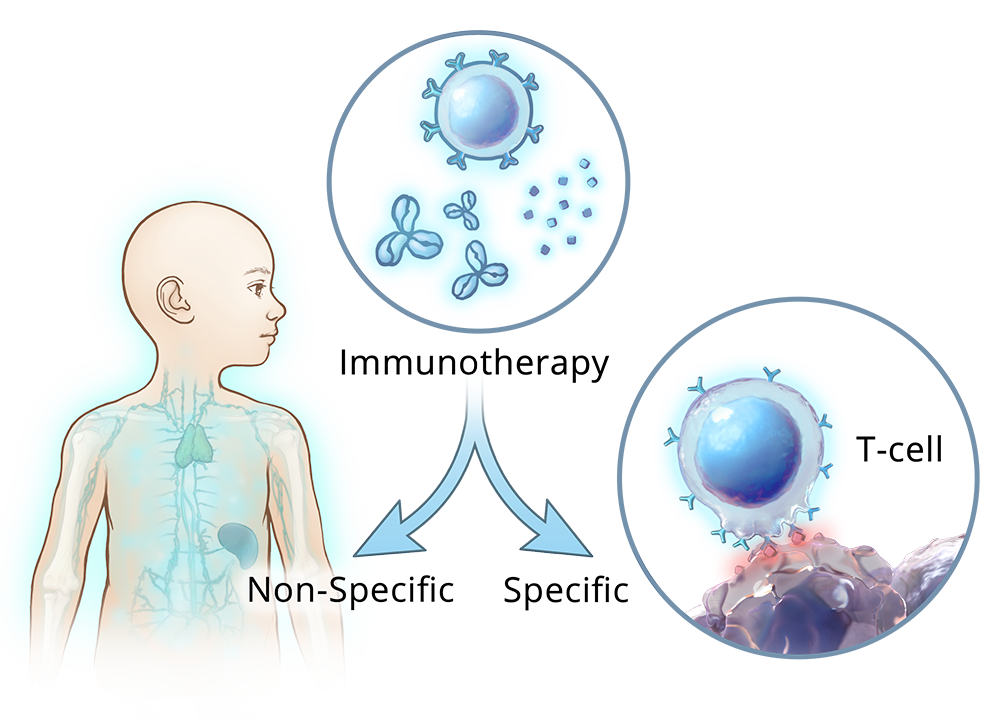
Immunotherapy
Helps the immune system fight cancer cells, Used in selected advanced or recurrent cases

Supportive & Palliative Care
Pain management and symptom control , Bone-strengthening medications