




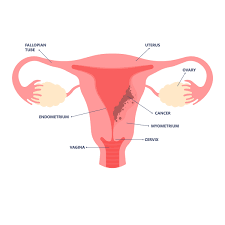


Uterine Cancer Treatment

Uterine Cancer Treatment & Care at H.O.P.E Oncology Clinic

Uterine cancer, also known as endometrial cancer, develops in the lining of the uterus — the hollow reproductive organ where a pregnancy grows.
It is one of the most common gynecologic cancers and primarily affects women after menopause, although it can occur at any age.
At H.O.P.E Oncology Clinic, we offer early detection, expert evaluation, and personalised treatment strategies designed to preserve quality of life while providing effective and comprehensive care.

Most uterine cancers develop slowly and often show early warning signs, giving patients an excellent chance for successful treatment.

Understanding Uterine (Endometrial) Cancer

Symptoms & Warning Signs

1. Abnormal vaginal bleeding : Any type of bleeding that is unusual for you—whether it’s spotting between periods, bleeding after intercourse, or prolonged bleeding—can be an early sign that the uterine lining is changing abnormally.

2. Bleeding after menopause : Women who have already completed menopause should not experience vaginal bleeding. Even a small amount of spotting after menopause is a warning sign and should be evaluated immediately.

3. Irregular or heavy periods : Periods that become heavier, last longer than usual, or come unpredictably may indicate thickening of the uterine lining, which could develop into cancer if untreated.

4. Pelvic pain or pressure : Pain, cramps, or a sensation of pressure in the lower abdomen or pelvis—especially when persistent—may signal a tumour pressing on surrounding organs or tissues. 

5. Pink or watery vaginal discharge : A watery, pink, or blood-tinged discharge may occur even when bleeding is not visible. This is often overlooked but can be an early and important symptom.

Treatment Options at H.O.P.E Oncology Clinic

Advanced Uterine Cancer Treatment Options

Treatment is customized based on cancer type, stage, genetic profile, and patient health.

Chemotherapy

Primary treatment for many blood cancers , Given in cycles with careful monitoring

Targeted Therapy

Precision medicines targeting specific cancer cell abnormalities, Fewer side effects compared to traditional chemotherapy
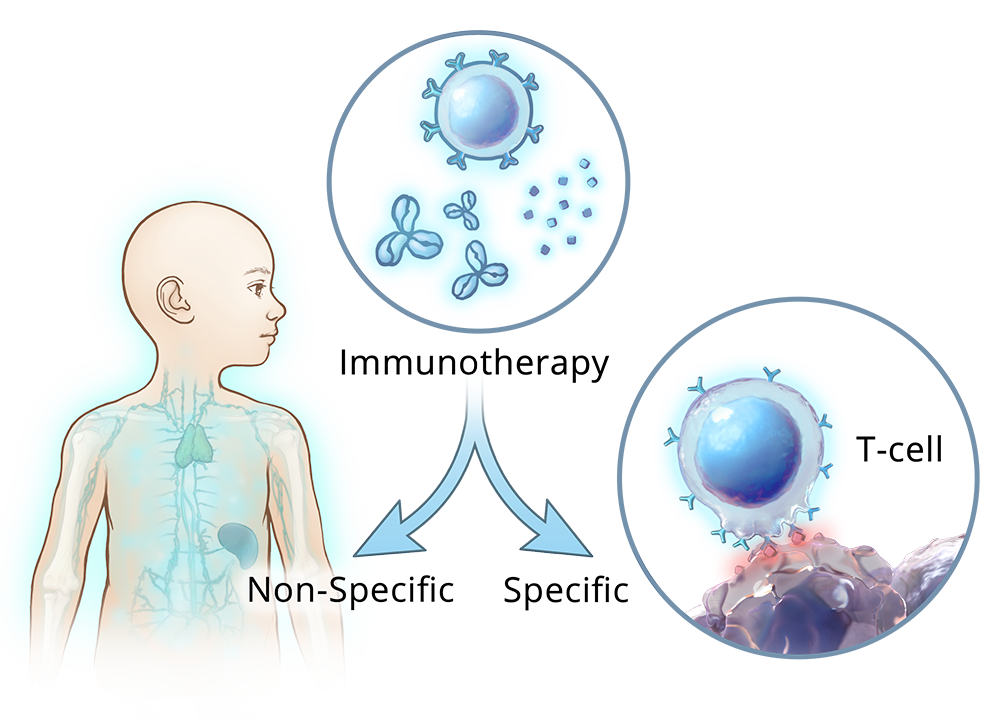
Immunotherapy

Strengthens the immune system to fight cancer, Effective in several leukemias and lymphomas
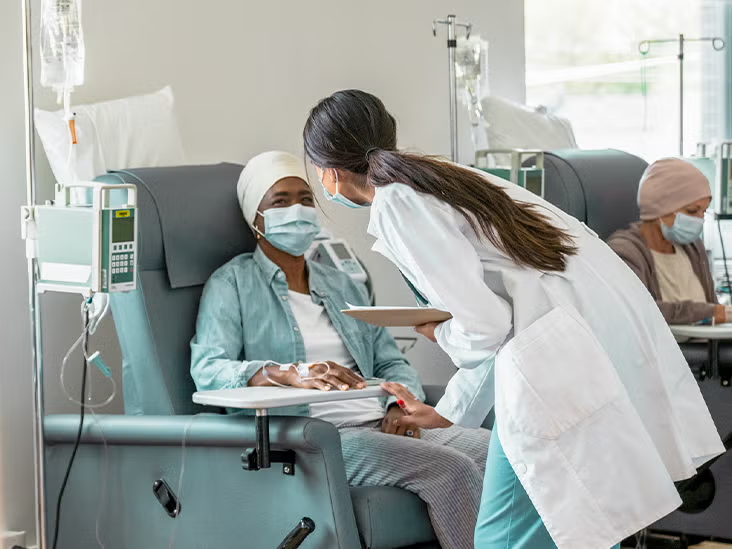
Supportive & Palliative Care

Management of symptoms and side effects Nutritional, psychological, and pain support