





Stomach Cancer Treatment

Stomach Cancer Treatment & Care at H.O.P.E Oncology Clinic

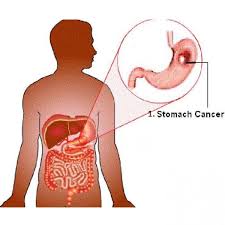
Stomach cancer, also known as gastric cancer, develops when abnormal cells begin to grow uncontrollably in the lining of the stomach.
It often starts silently, with symptoms that resemble common digestive problems, which is why many cases are diagnosed in later stages.
At H.O.P.E Oncology Clinic, we specialise in identifying stomach cancer early, providing precise diagnosis and offering personalised treatment that focuses not just on removing or controlling the disease, but also on improving nutrition, digestion, and long-term quality of life.

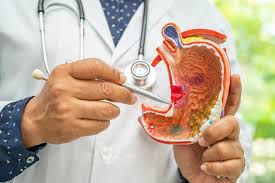
The stomach plays a vital role in breaking down food and absorbing nutrients. When cancer develops, it may form ulcers, masses, or growths that gradually interfere with digestion.

Understanding Stomach Cancer

Stomach cancer, also known as gastric cancer, develops when abnormal cells begin to grow uncontrollably in the lining of the stomach. It often starts slowly and may go unnoticed because early symptoms can resemble routine digestive problems such as indigestion, acidity, or bloating. Over time, the cancer can grow deeper into the stomach wall and spread to lymph nodes and nearby organs. Risk factors include long-term H. pylori infection, smoking, poor diet, obesity, family history, and chronic gastritis. Early detection is critical, and recognizing persistent warning signs can greatly improve treatment outcomes and survival.

Symptoms & Warning Signs

Stomach cancer symptoms may include:

Because symptoms overlap with everyday digestive issues, evaluation is crucial if they continue for weeks.

Diagnosis & Evaluation

At H.O.P.E Oncology Clinic, diagnosis may include:

Precise staging determines the best treatment approach.

Personalised Treatment Options

Treatment depends on stage, tumour location, and patient condition:

Nutrition planning is a major part of recovery since the stomach affects energy and weight.

Advanced Stomach Cancer Treatment Options

Treatment is customized based on cancer type, stage, genetic profile, and patient health.

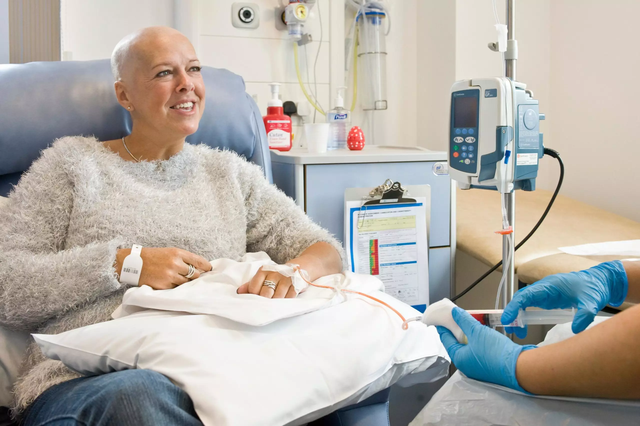
Chemotherapy

Primary treatment for many blood cancers , Given in cycles with careful monitoring
Targeted Therapy

Precision medicines targeting specific cancer cell abnormalities, Fewer side effects compared to traditional chemotherapy
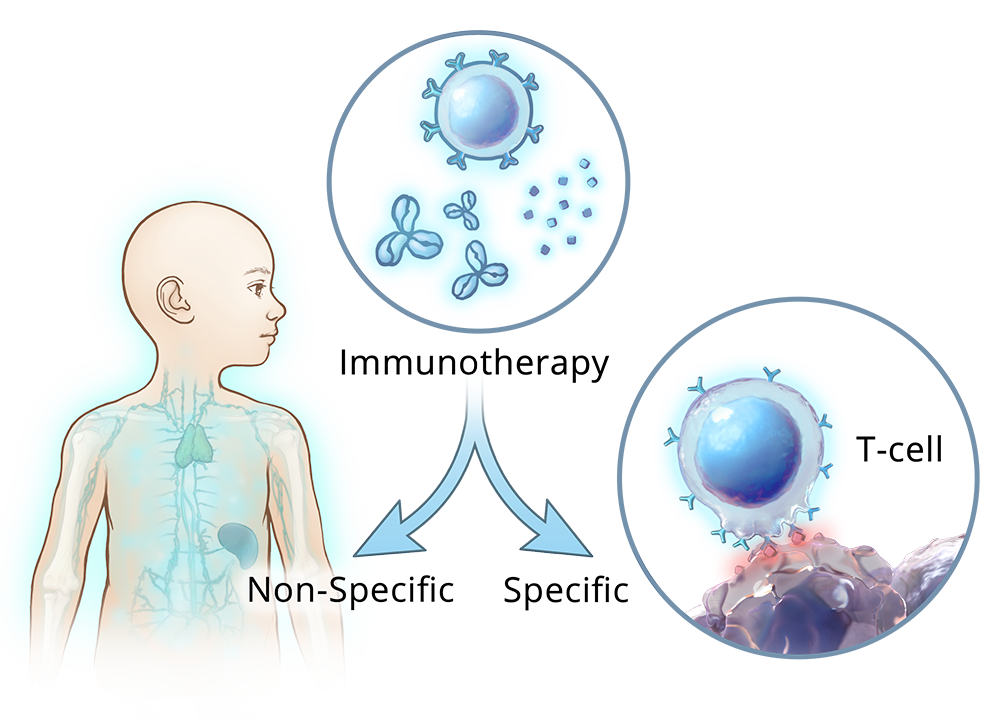
Immunotherapy

Strengthens the immune system to fight cancer, Effective in several leukemias and lymphomas
Supportive & Palliative Care

Management of symptoms and side effects Nutritional, psychological, and pain support