




Pancreatic Cancer Treatment
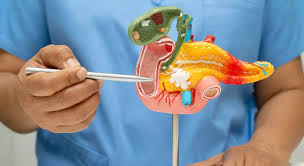
Pancreatic Cancer Treatment & Care at H.O.P.E Oncology Clinic
Pancreatic cancer develops when abnormal cells grow uncontrollably in the pancreas — an essential organ responsible for digestion and blood sugar regulation.
At H.O.P.E Oncology Clinic, our expert multidisciplinary team provides advanced diagnosis, personalised treatment plans, and complete supportive care to help patients fight pancreatic cancer with strength and confidence.
Because pancreatic cancer is often detected at later stages, we focus on precision-driven treatments, targeted therapies, minimally invasive surgeries, and strong symptom management to offer every patient the best possible outcomes.
Understanding Pancreatic Cancer
Pancreas plays two key roles in the body:
- Digestive function: Producing enzymes that break down food
- Hormonal function: Producing insulin and controlling blood sugar
Pancreatic cancer mainly includes:
- Adenocarcinoma – Most common and arises in digestive enzyme-producing cells
- Neuroendocrine Tumors (NETs) – Slower growing, arise in hormone-producing cells
Risk factors include smoking, diabetes, obesity, chronic pancreatitis, family history, inherited gene mutations, and increasing age.
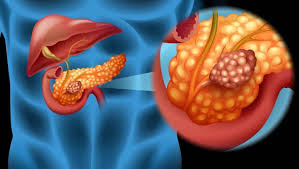
Common Symptoms
Early stages often show no symptoms, but as cancer grows, signs may include:
- Persistent abdominal or back pain
- Jaundice (yellowing of eyes & skin)
- Unexplained weight loss
- Loss of appetite
- Digestive problems, constipation or diarrhea
- Nausea, vomiting
- Fatigue or weakness
- New-onset diabetes or sudden blood sugar changes
- Pale or greasy stools
If symptoms persist for weeks, timely evaluation is critical.
Diagnosis & Evaluation
At H.O.P.E Oncology Clinic, diagnosis involves:
- Ultrasound / CT Scan / MRI – To identify tumour and spread
- MRCP / ERCP – Views bile duct and pancreatic ducts
- Endoscopic Ultrasound (EUS) with biopsy – Gold standard
- Blood tests & tumour markers (CA 19-9)
- PET Scan – Detects metastasis
- Genetic testing – Helps determine targeted therapy
Accurate staging ensures the right treatment strategy.
Personalised Treatment Options
Treatment depends on tumour stage, spread, and patient condition.
We provide:
- Surgery (Whipple Procedure / Distal Pancreatectomy / Total Pancreatectomy) – Removes tumour and affected tissues
- Minimally Invasive & Robotic Surgery – Less pain, faster recovery
- Chemotherapy – Controls tumour growth and kills cancer cells
- Radiation Therapy – Shrinks tumour or treats non-operable cases
- Targeted Therapy – Designed for specific genetic mutations
- Immunotherapy – Boosts natural immune response
- Palliative / Supportive Care – Pain control, digestion support, symptom relief
- Nutritional & Diabetes Management – Since pancreas affects digestion and insulin
Whenever possible, curative surgery is prioritised — but effective non-surgical options are available for advanced disease.
Advanced Pancreatic Cancer Treatment Options
Treatment is customized based on cancer type, stage, genetic profile, and patient health.

Chemotherapy
Primary treatment for many blood cancers , Given in cycles with careful monitoring

Targeted Therapy
Precision medicines targeting specific cancer cell abnormalities, Fewer side effects compared to traditional chemotherapy
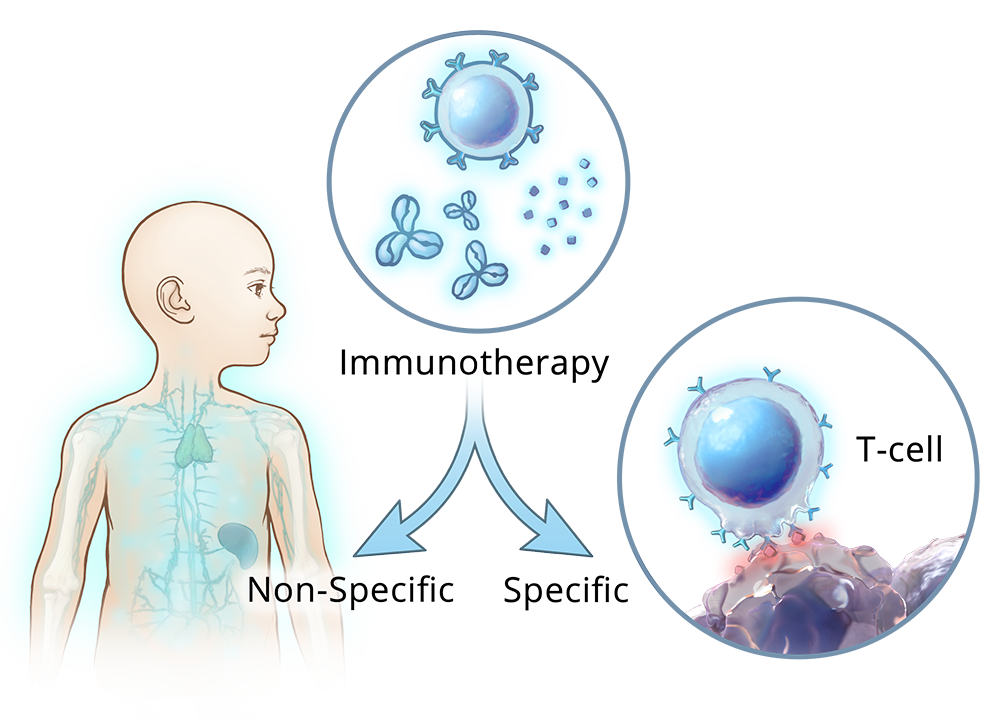
Immunotherapy
Strengthens the immune system to fight cancer, Effective in several leukemias and lymphomas

Supportive & Palliative Care
Management of symptoms and side effects Nutritional, psychological, and pain support