



Lung Cancer Treatment
Lung Cancer Treatment & Care at H.O.P.E Oncology Clinic
Lung cancer develops when abnormal cells grow uncontrollably in the tissues of the lungs.
At H.O.P.E Oncology Clinic, we provide advanced diagnostics, personalised treatment plans, and holistic patient support designed to cure cancer, control disease, and improve quality of life.
Our specialists focus on both medical excellence and compassionate care, helping patients breathe easier—physically and emotionally.
Understanding Lung Cancer
Lung cancer can be classified into:
- Non–Small Cell Lung Cancer (NSCLC) – Most common and often treatable
- Small Cell Lung Cancer (SCLC) – Faster-growing, requires combined therapy
Major causes and risk factors include:
- Smoking and secondhand smoke exposure
- Air pollution and occupational fumes
- Family history and genetics
- Radon or asbestos exposure
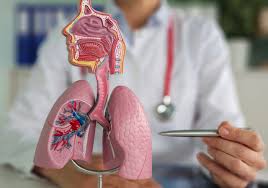
Common Symptoms
Symptoms vary by stage and may appear gradually:
- Persistent cough or change in a long-standing cough
- Chest pain or discomfort
- Shortness of breath or wheezing
- Coughing up blood
- Frequent lung infections (pneumonia/bronchitis)
- Hoarseness of voice
- Unexplained weight loss and fatigue
If these symptoms persist for more than 2–3 weeks, medical evaluation is essential.
Diagnosis & Evaluation
H.O.P.E Oncology Clinic uses advanced tools to identify the cancer type, size, and spread:
- Chest X-ray & CT Scan
- PET Scan to detect cancer spread
- Bronchoscopy / Lung Biopsy
- EBUS (Endobronchial Ultrasound)
- MRI for brain/spine screening (if needed)
- Molecular Profiling / Genetic Testing – To select ideal targeted or immunotherapy drugs
Accurate staging ensures precise, personalised treatment.
Personalised Treatment Options at H.O.P.E Oncology Clinic
Treatment depends on type, stage, genetics, and patient health.
We offer:
- Surgery – Removal of tumour or lung segment (lobectomy, pneumonectomy)
- Minimally Invasive & Robotic Surgery – Less pain, quicker recovery
- Radiation Therapy – High-precision targeting to shrink or kill tumour cells
- Chemotherapy – Kills cancer cells or prevents rapid growth
- Targeted Therapy – Works against tumour-specific genetic mutations
- Immunotherapy – Boosts the immune system to fight cancer
- Palliative & Supportive Care – Breath management, pain relief, symptom control
A multidisciplinary team ensures seamless, coordinated care.
Advanced Lung Cancer Treatment Options
Treatment is customized based on cancer type, stage, genetic profile, and patient health.

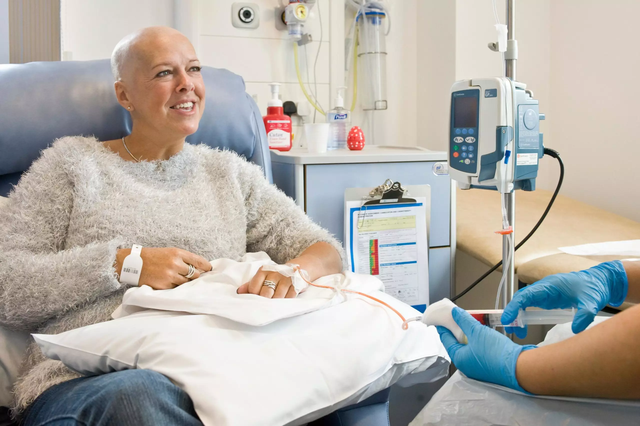
Chemotherapy
Primary treatment for many blood cancers , Given in cycles with careful monitoring
Targeted Therapy
Precision medicines targeting specific cancer cell abnormalities, Fewer side effects compared to traditional chemotherapy
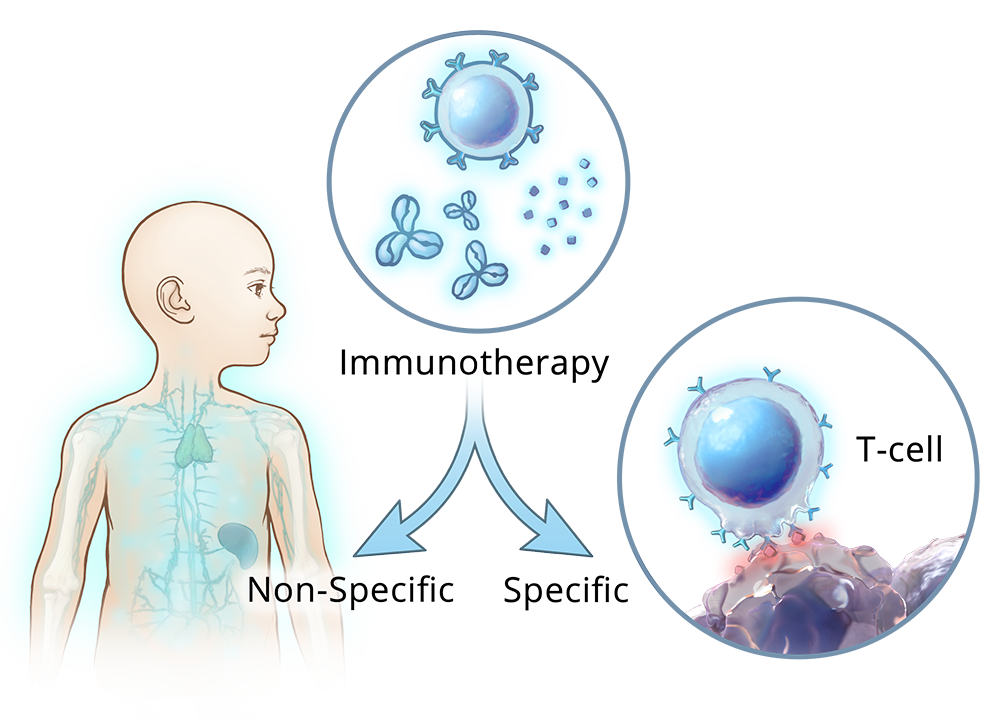
Immunotherapy
Strengthens the immune system to fight cancer, Effective in several leukemias and lymphomas
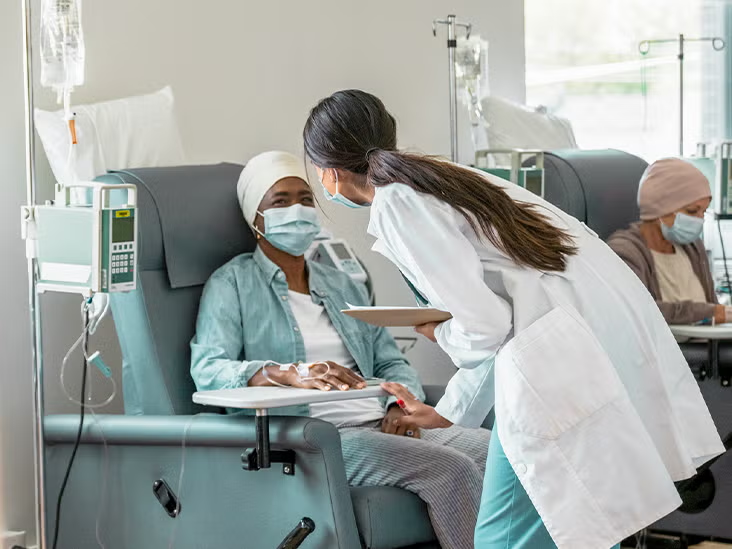
Supportive & Palliative Care
Management of symptoms and side effects Nutritional, psychological, and pain support