




Liver Cancer Treatment
Liver Cancer Treatment & Care at H.O.P.E Oncology Clinic
Liver cancer develops when abnormal cells grow uncontrollably in the liver — one of the body’s most important organs responsible for detoxification, metabolism, and digestion.
At H.O.P.E Oncology Clinic, we offer advanced evaluation, expert surgical and medical care, and comprehensive support to treat liver cancer with precision and compassion.
Our mission is to remove or control cancer, preserve liver function, and enhance long-term survival and quality of life.
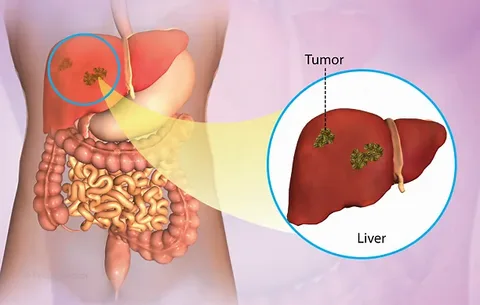
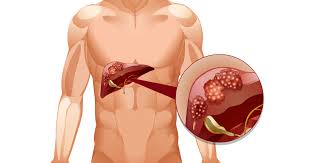
Understanding Liver Cancer
Liver cancer may be:
- Hepatocellular Carcinoma (HCC) – Most common type
- Cholangiocarcinoma (Bile Duct Cancer)
- Secondary Liver Cancer (Spread from another organ)
Major risk factors include:
- Hepatitis B or C infection
- Liver cirrhosis
- Fatty liver disease (including non-alcoholic fatty liver)
- Excess alcohol use
Common Symptoms
Liver cancer may not cause early symptoms.
Warning signs include:
- Pain or discomfort in the upper right abdomen
- Jaundice (yellowing of eyes & skin)
- Tiredness and weakness
- Rapid weight loss
- Loss of appetite
- Abdominal swelling or fluid build-up
- Nausea or vomiting
- Pale stools / dark urine
If these symptoms persist, evaluation is needed urgently.
Diagnosis & Evaluation
H.O.P.E Oncology Clinic uses modern imaging and pathology to confirm and stage liver cancer.
- Ultrasound / Doppler Scan
- CT Scan or MRI Scan – Determines tumour size & spread
- AFP Blood Test – Liver cancer tumour marker
- Liver Function Tests – Measures liver health
- Biopsy (if needed)
- PET Scan – Checks spread beyond liver
- Viral Testing – Evaluates Hepatitis B/C status
Personalised treatment planning depends on tumour stage and liver function.
Personalised Treatment Options at H.O.P.E Oncology Clinic
- Surgical Resection – Removal of tumour with healthy liver preservation
- Liver Transplant (Selected Patients) – Curative option when eligible
- Ablation Treatments (RFA / Microwave / Cryo) – Destroys small tumours without major surgery
- Transarterial Chemoembolization (TACE) – Blocks tumour blood supply & delivers chemo directly
- Targeted Therapy – Medicines that attack specific cancer pathways
- Immunotherapy – Enhances the immune system to fight cancer
- Systemic Chemotherapy – For advanced-stage disease
- Palliative & Supportive Care – Controls pain, improves comfort & quality of life
Advanced Liver Cancer Treatment Options
Treatment is customized based on cancer type, stage, genetic profile, and patient health.

Chemotherapy
Primary treatment for many blood cancers , Given in cycles with careful monitoring

Targeted Therapy
Precision medicines targeting specific cancer cell abnormalities, Fewer side effects compared to traditional chemotherapy
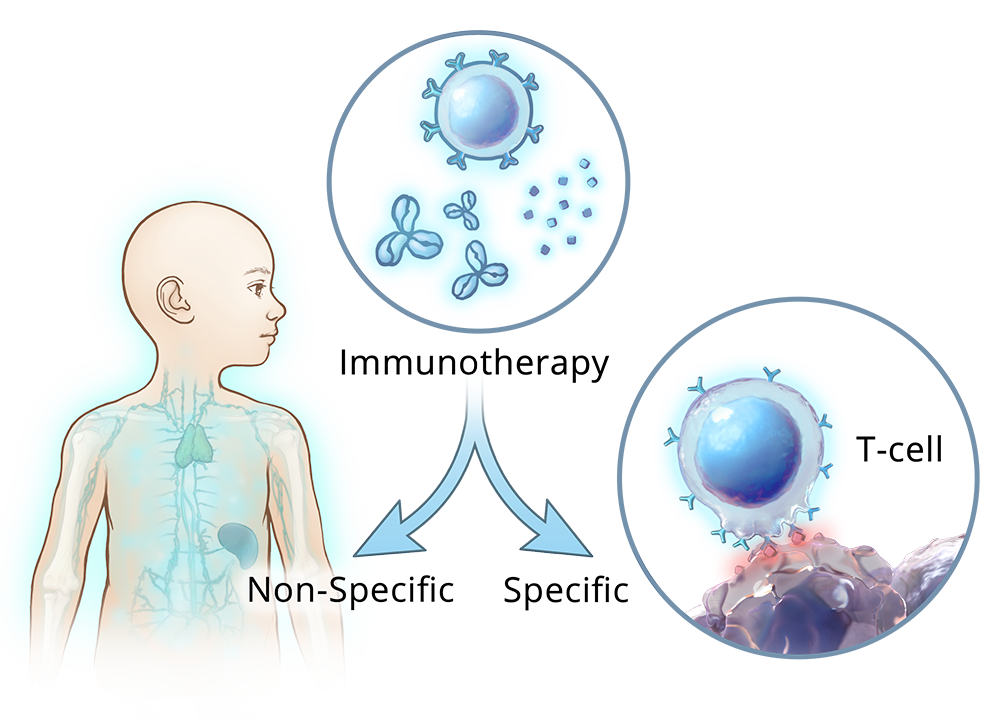
Immunotherapy
Strengthens the immune system to fight cancer, Effective in several leukemias and lymphomas

Supportive & Palliative Care
Management of symptoms and side effects Nutritional, psychological, and pain support