






Cervical Cancer Treatment

Cervical Cancer Treatment & Care at H.O.P.E Oncology Clinic

Welcome to H.O.P.E Oncology Clinic, where science meets soul and medicine meets meaning. Founded by Dr. Amish Vora, an internationally trained Medical Oncologist with extensive experience at leading cancer institutions such as Tata Memorial Hospital, AIIMS, Memorial Sloan Kettering Cancer Center (MSKCC, USA), and the NHS (UK), H.O.P.E represents a commitment to compassionate, ethical, and evidence-based cancer care.

Cervical cancer is one of the most preventable and treatable cancers when detected early. At H.O.P.E Oncology Clinic, we focus on early diagnosis, personalized treatment planning, and holistic patient support, ensuring that every woman receives care with dignity, clarity, and empathy.

What Is Cervical Cancer?

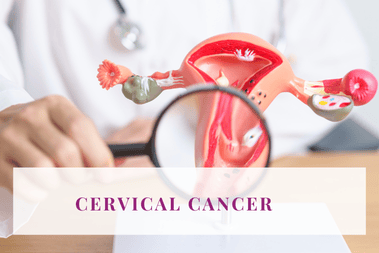
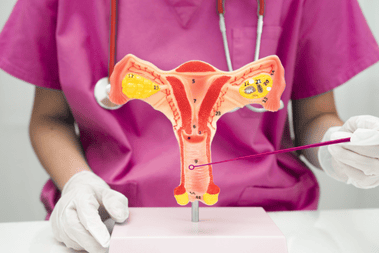
Cervical cancer develops in the cells of the cervix—the lower part of the uterus that connects to the vagina. Most cervical cancers are caused by persistent infection with high-risk Human Papillomavirus (HPV). The disease usually progresses slowly, allowing opportunities for early detection through regular screening.

Cervical Cancer Treatment

Signs & Symptoms of Cervical Cancer

In early stages, cervical cancer may not cause noticeable symptoms. As it progresses, symptoms may include:

Any persistent or unusual gynecological symptom should be evaluated promptly.

Causes & Risk Factors

Key factors that increase the risk of cervical cancer include:

Advanced Cervical Cancer Treatment Options

Treatment is individualized based on cancer stage, type, and patient health.

Chemotherapy

Used alone or in combination with other treatments, Effective in locally advanced and metastatic disease

Targeted Therapy

Precision medicines for selected advanced cases, Fewer side effects with improved outcomes
Immunotherapy

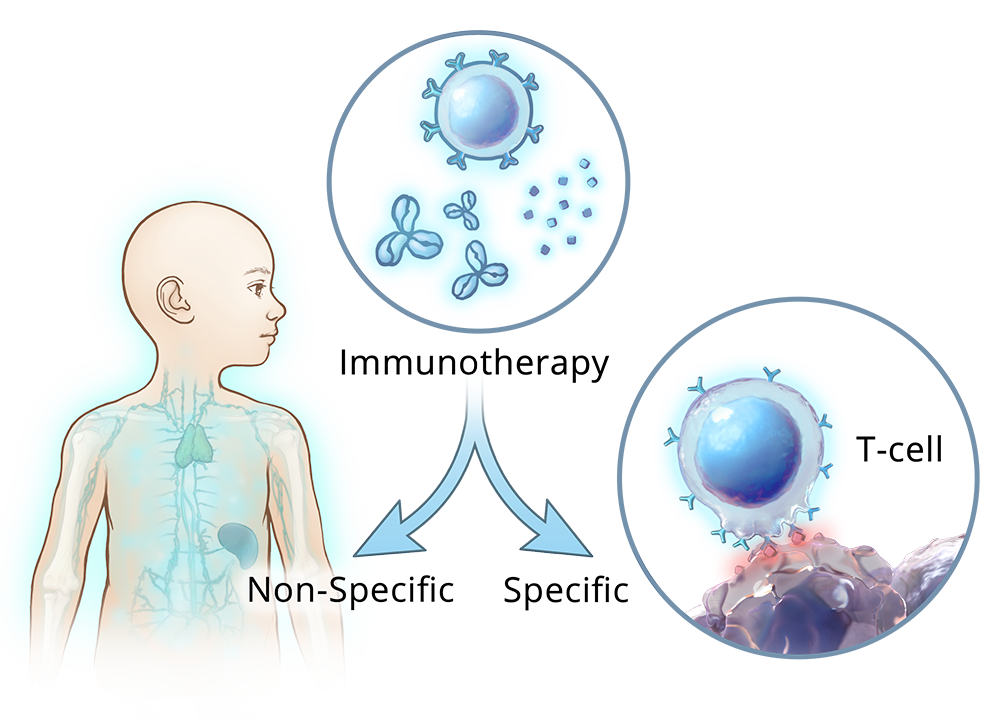
Helps the immune system recognize and attack cancer cells, Useful in recurrent or advanced cervical cancer

Supportive & Palliative Care

Pain management and symptom control , Nutritional and psychological support

Frequently Asked Questions (FAQs) - Cervical Cancer

The primary cause of cervical cancer is persistent infection with high-risk HPV (Human Papillomavirus)
Yes. Regular Pap smear screening, HPV testing, and HPV vaccination significantly reduce the risk of cervical cancer.
Cervical cancer is highly curable when detected early. Even advanced cases can be effectively managed with modern treatments.
Some treatments may impact fertility. Fertility-preserving options can be discussed depending on cancer stage and patient age.
If you experience abnormal vaginal bleeding, persistent pelvic pain, or have abnormal Pap smear results, you should consult an oncologist immediately.