



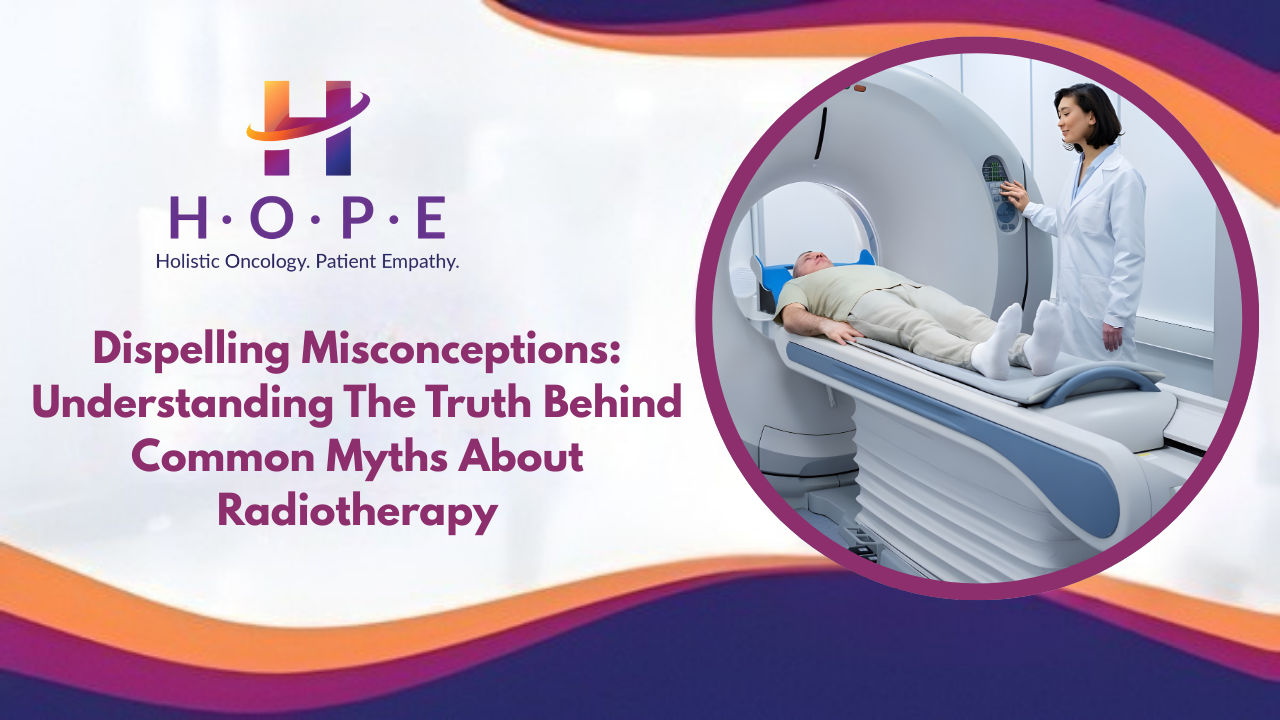
Radiotherapy, also known as radiation therapy, is a vital component in the treatment of cancer, yet it often carries misconceptions and myths that can create fear and uncertainty among patients and their loved ones. In this comprehensive article, we’ll delve into some of the most prevalent myths surrounding radiotherapy, providing clarity and dispelling misinformation to empower individuals undergoing cancer treatment.
Myth 1: Radiotherapy Is Painful and Causes Severe Burns
One of the most common misconceptions about radiotherapy is that it is inherently painful and causes severe burns to the skin. While it’s true that some patients may experience mild discomfort during treatment, modern radiotherapy techniques are designed to precisely target cancerous cells while minimizing damage to surrounding healthy tissue. Advances such as intensity-modulated radiation therapy (IMRT) and image-guided radiation therapy (IGRT) allow for highly targeted radiation delivery, reducing the risk of side effects such as skin irritation and burns. Additionally, medical professionals closely monitor patients throughout treatment to manage any discomfort and ensure optimal outcomes.
Myth 2: Radiotherapy Always Causes Hair Loss
Hair loss, or alopecia, is a common side effect of certain types of radiotherapy, particularly when the treatment area includes the scalp. However, not all radiotherapy protocols result in hair loss, and the extent of hair loss can vary depending on factors such as the radiation dose and the individual’s sensitivity to treatment. In cases where hair loss does occur, it is often temporary, and hair typically begins to regrow once treatment is completed. Moreover, advancements in radiotherapy technology, such as scalp-sparing techniques and proton therapy, aim to minimize hair loss by sparing the hair follicles from radiation exposure.
Myth 3: Radiotherapy Causes Cancer to Spread
A persistent myth surrounding radiotherapy is that it can cause cancer to spread or metastasize to other parts of the body. In reality, the goal of radiotherapy is to destroy cancer cells and prevent their ability to grow and multiply. While it’s possible for cancer to recur or spread after radiotherapy, this is typically due to factors such as the aggressive nature of the cancer or the presence of undetected cancer cells rather than the radiotherapy treatment itself. Additionally, radiotherapy is often used in conjunction with other treatments such as surgery and chemotherapy to provide comprehensive cancer care and improve outcomes.
Myth 4: Radiotherapy Is Always Ineffective
Another common misconception is that radiotherapy is not an effective treatment for cancer. While radiotherapy may not be curative for all types and stages of cancer, it can be highly effective in controlling the disease, shrinking tumors, and relieving symptoms such as pain and discomfort. Radiotherapy is used to treat a wide range of cancers, including but not limited to breast cancer, lung cancer, prostate cancer, and brain tumors, and its efficacy depends on factors such as the type of cancer, its stage, and the patient’s overall health. Additionally, ongoing research and technological advancements continue to improve radiotherapy techniques and outcomes for patients.
Myth 5: Radiotherapy Always Causes Long-Term Side Effects
While radiotherapy can cause side effects, such as fatigue, skin irritation, and changes in bowel habits, these side effects are typically temporary and resolve after treatment is completed. The risk of long-term side effects depends on factors such as the radiation dose, the treatment area, and the individual’s overall health. Medical professionals carefully monitor patients throughout treatment to manage side effects and improve quality of life. Moreover, advancements in radiotherapy technology, such as hypofractionated radiation therapy and stereotactic body radiation therapy (SBRT), aim to deliver precise treatment while minimizing side effects and preserving healthy tissue.
Myth 6: Radiotherapy Is Always the Same for Everyone
Radiotherapy treatment plans are highly individualized based on factors such as the type of cancer, its stage, the location and size of the tumor, and the patient’s overall health. Different types of radiotherapy, including external beam radiation therapy, brachytherapy, and proton therapy, may be used alone or in combination with other treatments such as surgery and chemotherapy. Additionally, treatment regimens are tailored to each patient’s specific needs and may vary in terms of the radiation dose, treatment duration, and frequency of sessions. Medical professionals work closely with patients to develop personalized treatment plans that optimize outcomes while minimizing side effects.
Dispelling myths about radiotherapy is essential for empowering individuals undergoing cancer treatment and fostering informed decision-making. While radiotherapy may have its challenges and side effects, it remains a valuable tool in the fight against cancer, offering hope, healing, and the possibility of a better quality of life. By understanding the truth behind common misconceptions and embracing accurate information, patients and their loved ones can approach radiotherapy with confidence, knowing that they are receiving the best possible care tailored to their unique needs.