




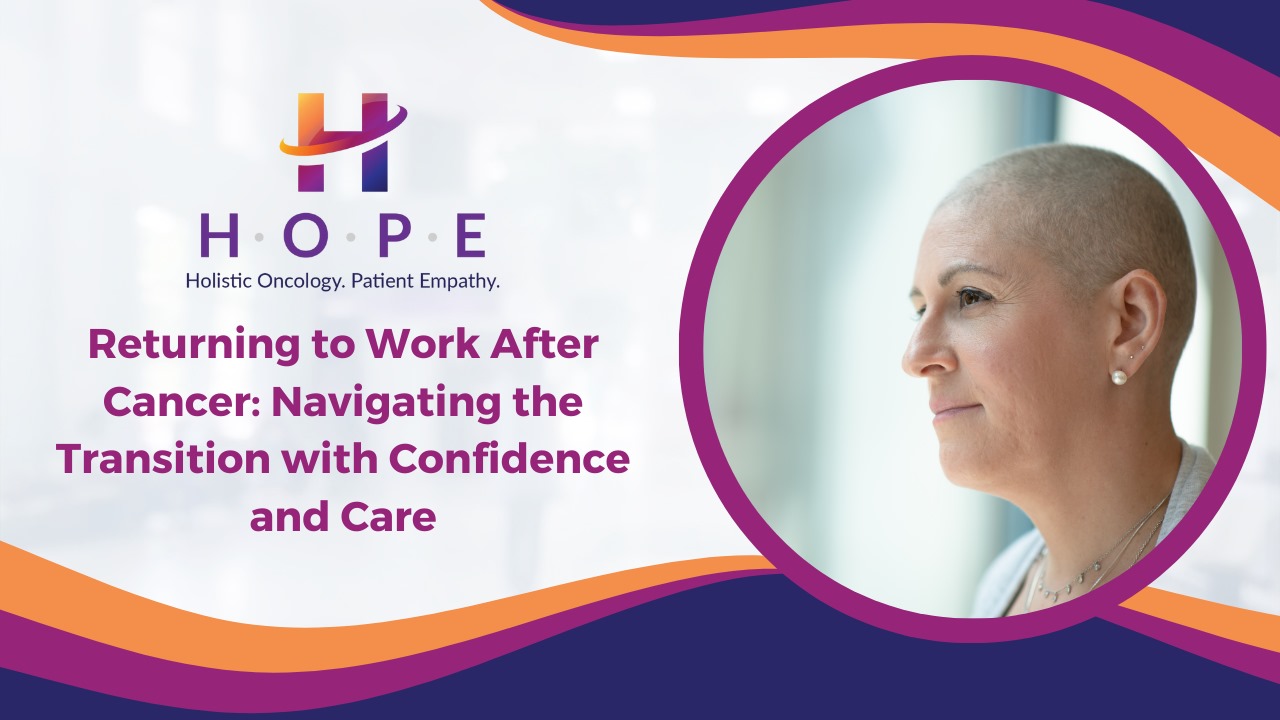
Returning to work after cancer treatment is a significant milestone in the journey to recovery. While it marks a positive step forward, it also brings with it a unique set of challenges and adjustments. In this article, we’ll explore practical strategies and considerations for individuals transitioning back to work after cancer, empowering them to navigate this period with confidence, resilience, and support.
Understanding the Transition:
Returning to work after cancer treatment involves more than just physical recovery; it encompasses emotional, psychological, and logistical aspects as well. Individuals may experience a range of emotions, including relief, anxiety, uncertainty, and excitement, as they navigate the transition back to the workplace. Additionally, physical and cognitive side effects of treatment, such as fatigue, pain, cognitive impairment, and emotional distress, can impact one’s ability to resume work activities effectively.
Communication and Planning:
Open and transparent communication with employers, colleagues, and healthcare providers is essential when planning to return to work after cancer. Prior to returning, individuals should engage in discussions with their employer to clarify expectations, discuss accommodations or modifications, and explore flexible work arrangements, if needed. Sharing information about treatment side effects, physical limitations, and any necessary adjustments ensures a supportive and understanding work environment.
Gradual Return and Flexibility:
Returning to work gradually, through a phased approach or part-time schedule, can help individuals ease back into their roles and responsibilities while managing physical and emotional challenges. Flexible work arrangements, such as telecommuting, modified schedules, or reduced hours, allow individuals to balance work with ongoing medical appointments, rehabilitation, and self-care activities. Employers are increasingly recognizing the importance of flexibility in supporting employees’ return to work after cancer and are willing to accommodate individual needs.
Self-Care and Well-Being:
Prioritizing self-care and well-being is paramount during the transition back to work after cancer. Individuals should listen to their bodies, pace themselves, and take breaks as needed to manage fatigue and conserve energy. Incorporating stress-reduction techniques, such as mindfulness, meditation, and relaxation exercises, can help alleviate anxiety and promote emotional resilience. Moreover, maintaining a healthy lifestyle, including regular exercise, nutritious diet, and adequate sleep, supports overall well-being and enhances recovery.
Setting Realistic Expectations:
It’s important for individuals returning to work after cancer to set realistic expectations for themselves and their performance. Recognizing and accepting limitations, adjusting workload and deadlines as necessary, and seeking assistance or delegation of tasks when needed can help prevent burnout and promote sustainable work habits. Establishing clear boundaries between work and personal life, and prioritizing self-care, helps maintain balance and prevent overexertion.
Seeking Support and Resources:
Navigating the transition back to work after cancer can be challenging, but individuals do not have to do it alone. Seeking support from healthcare providers, counselors, support groups, and peer networks can provide valuable guidance, encouragement, and practical advice. Many organizations and advocacy groups offer resources, tools, and programs specifically designed to support individuals returning to work after cancer, including vocational rehabilitation services, career coaching, and financial assistance programs.
Addressing Stigma and Discrimination:
Despite progress in raising awareness and promoting inclusivity, stigma and discrimination surrounding cancer still exist in the workplace. Individuals returning to work after cancer may encounter misconceptions, biases, or negative attitudes from colleagues or supervisors. It’s important to address these issues proactively by educating others about cancer, advocating for one’s rights and accommodations, and seeking support from human resources or legal resources if discrimination occurs.
Building a Supportive Work Environment:
Creating a supportive work environment that fosters understanding, empathy, and inclusivity is essential for facilitating the successful return of employees after cancer. Employers can implement policies and practices that accommodate employees’ needs, provide access to resources and support services, and promote a culture of compassion and flexibility. Training managers and colleagues on how to support employees returning after cancer helps reduce stigma, increase awareness, and foster a sense of belonging and acceptance.
Celebrating Milestones and Achievements:
Returning to work after cancer is a significant accomplishment worthy of recognition and celebration. Employers and colleagues can acknowledge individuals’ resilience, bravery, and determination by welcoming them back warmly, expressing gratitude for their contributions, and celebrating milestones and achievements along the way. Small gestures of appreciation, such as sending a welcome back card, organizing a team lunch, or acknowledging work anniversaries, go a long way in making individuals feel valued and supported in the workplace.
Returning to work after cancer is a pivotal step in the journey to recovery, signaling a return to normalcy, routine, and purpose. By proactively addressing physical, emotional, and logistical challenges, individuals can navigate this transition with confidence, resilience, and support.
Open communication, flexible arrangements, self-care practices, and access to resources empower individuals to strike a balance between work and well-being, fostering a positive and fulfilling work experience after cancer. Moreover, building a supportive work environment that values diversity, inclusivity, and compassion ensures that individuals returning after cancer feel respected, appreciated, and empowered to thrive. Together, employers, colleagues, healthcare providers, and individuals affected by cancer can create a workplace culture that embraces and supports the unique needs and contributions of cancer survivors, promoting resilience, dignity, and growth for all.