



Testicular Cancer Treatment
Testicular Cancer Treatment & Care at H.O.P.E Oncology Clinic
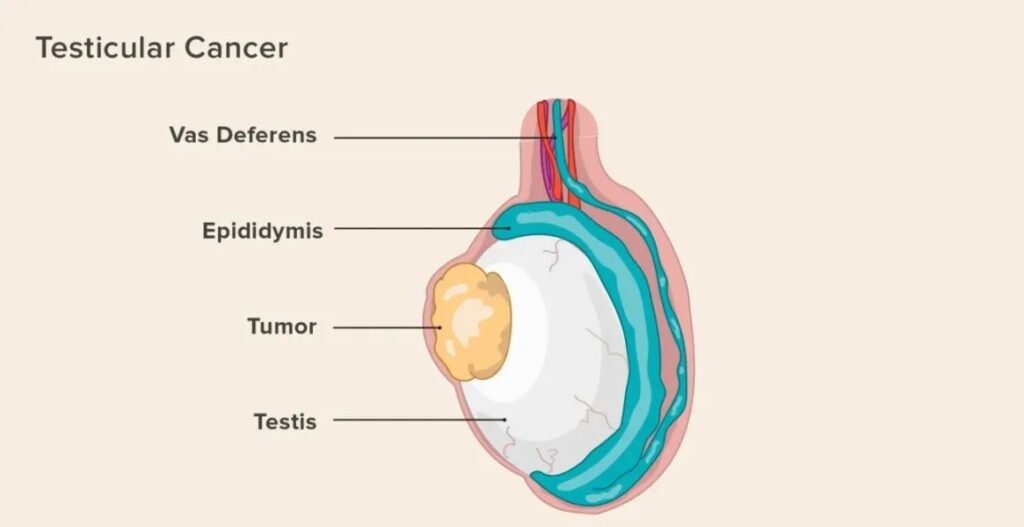
Testicular cancer begins in the testicles—the male reproductive glands located inside the scrotum that produce sperm and hormones, including testosterone.
Although testicular cancer is less common compared to other male cancers, it is most frequently seen in younger men between ages 15 and 40.
At H.O.P.E Oncology Clinic, we focus on early diagnosis, advanced treatment options, and holistic support to ensure the best possible outcomes, allowing patients to regain health, fertility, and confidence.
Most testicular cancers grow rapidly, but they are highly treatable—even when diagnosed at advanced stages.
Understanding Testicular Cancer
Testicular cancer most often starts in germ cells—the cells that produce sperm.
It includes:
- Seminomas (slow-growing; respond well to radiation & chemo)
- Non-seminomas (faster-growing but highly treatable)
Other rare types include stromal tumors and lymphomas.
Symptoms & Warning Signs
Symptoms often start gradually and may be overlooked:
- Painless lump or swelling in one testicle
- Feeling of heaviness in the scrotum
- Dull ache in lower abdomen or groin
- Sudden fluid buildup in the scrotum
- Discomfort or pain (sometimes)
- Breast tenderness (rare hormonal effect)
Symptoms are often painless, so self-exams and awareness matter.
Diagnosis & Evaluation
Testicular cancer diagnosis may include:
- Physical examination
- Ultrasound of the scrotum
- Blood tests for tumor markers (AFP, hCG, LDH)
- CT scans or MRI to check spread
- Surgical biopsy/orchiectomy for confirmation
Tumor markers play a key role in monitoring response to treatment.
Treatment Options at H.O.P.E Oncology Clinic
Treatment depends on tumour size, type & location:
- Surgery (Orchiectomy) – Removal of affected testicle; often first-line treatment
- Radiation Therapy – Mainly for seminomas
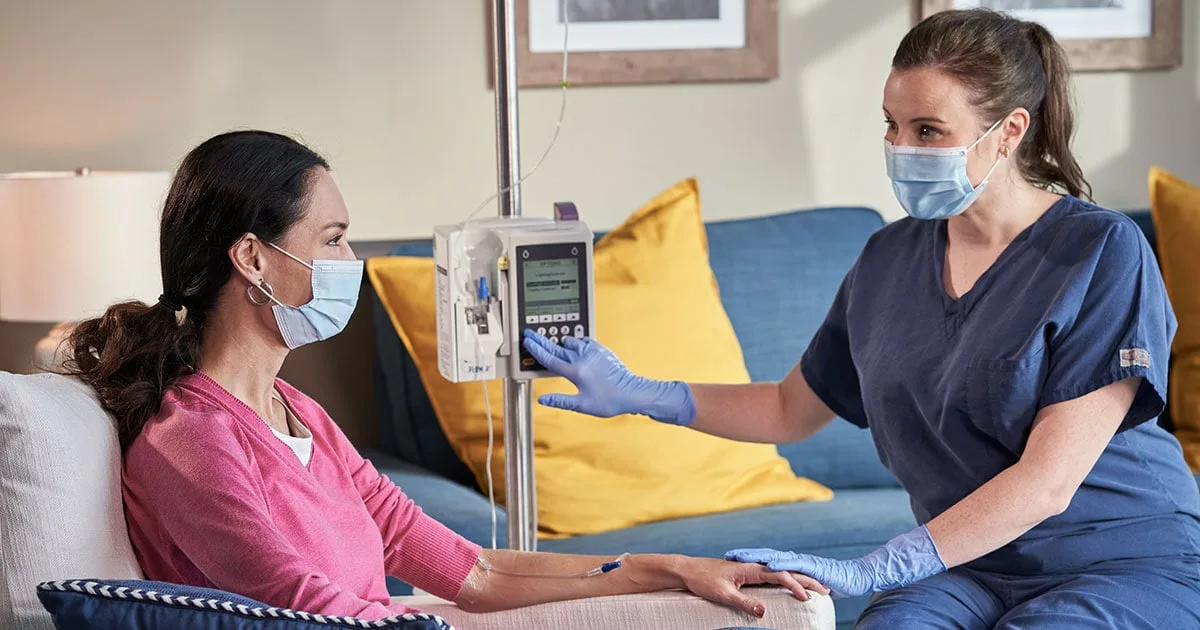
- Chemotherapy – Very effective for both seminomas & non-seminomas
- Retroperitoneal Lymph Node Dissection (RPLND) – For selected cases to remove affected lymph nodes
- Fertility preservation counseling – Sperm banking before treatment if needed
Testicular cancer often requires multimodality treatment and offers excellent cure rates.
Advanced Testicular Cancer Treatment Options
Treatment is customized based on cancer type, stage, genetic profile, and patient health.

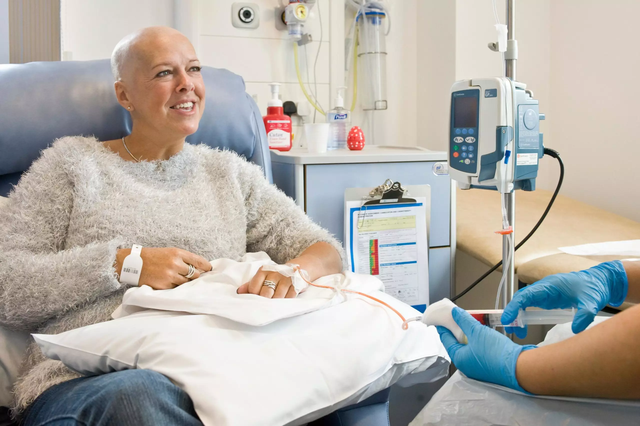
Chemotherapy
Primary treatment for many blood cancers , Given in cycles with careful monitoring
Targeted Therapy
Precision medicines targeting specific cancer cell abnormalities, Fewer side effects compared to traditional chemotherapy
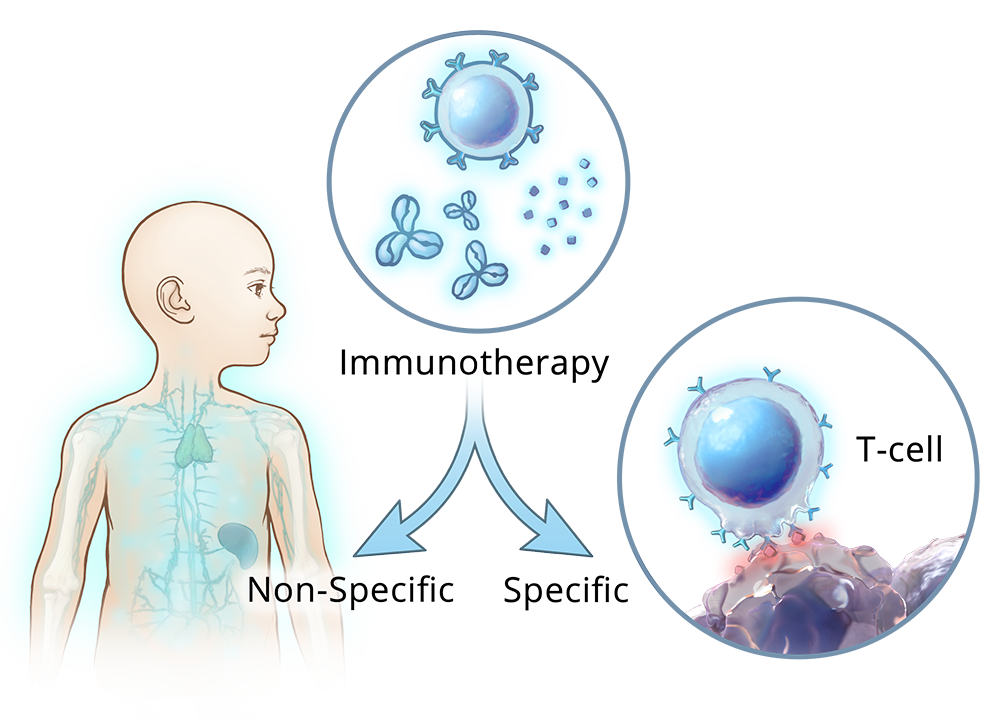
Immunotherapy
Strengthens the immune system to fight cancer, Effective in several leukemias and lymphomas
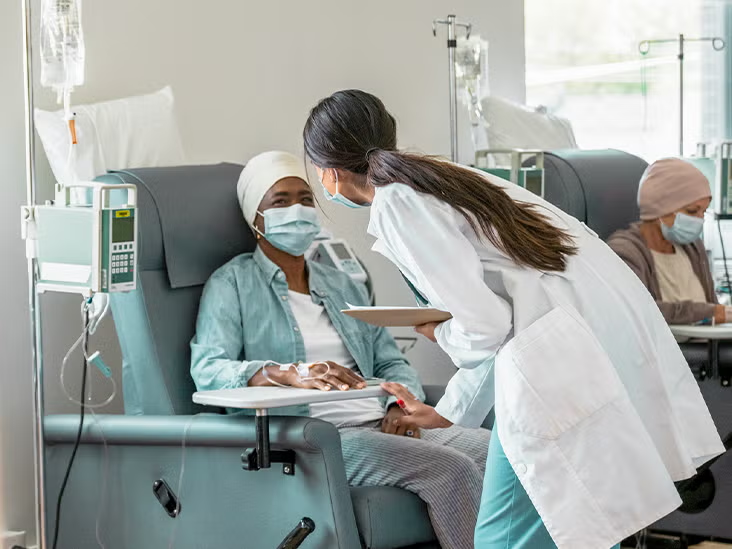
Supportive & Palliative Care
Management of symptoms and side effects Nutritional, psychological, and pain support