


Skin Cancer Treatment
Skin Cancer Treatment & Care at H.O.P.E Oncology Clinic
Skin cancer is one of the most common cancers affecting people worldwide and occurs when skin cells become damaged and begin to multiply uncontrollably.
The primary cause of this damage is exposure to ultraviolet (UV) radiation — from sunlight or tanning beds — but skin cancer can also develop in areas rarely exposed to the sun.
It affects adults of all ages and skin tones, making awareness, prevention, and early diagnosis critically important.
At H.O.P.E Oncology Clinic, our team specialises in identifying and treating all forms of skin cancer with a personalised, patient-first approach.
We combine expert dermatologic evaluation, advanced imaging, and cutting-edge treatment techniques to detect and remove cancer while preserving the skin’s function, appearance, and health.
From small surface lesions to aggressive melanomas, our goal is to ensure every patient feels confident and supported throughout treatment and recovery.
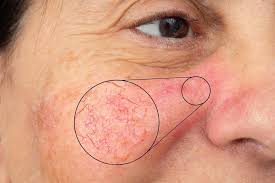
Understanding Skin Cancer
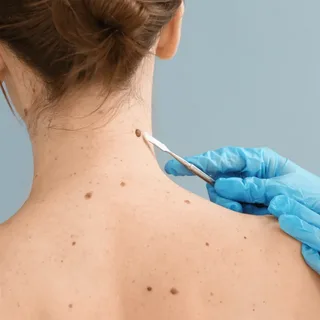
Skin cancer is a condition that develops when the DNA in skin cells becomes damaged and causes the cells to grow and divide uncontrollably. Most of this damage occurs due to exposure to ultraviolet (UV) radiation from sunlight or tanning beds. While anyone can develop skin cancer, individuals with prolonged sun exposure, fair skin, weakened immunity, or a history of sunburns are at higher risk. However, it is important to remember that skin cancer can also occur in people with darker skin and can appear in areas not usually exposed to the sun.
Symptoms & Warning Signs
Symptoms often start gradually and may be overlooked:
- New spot, growth, or patch on the skin
- Non-healing sore or wound
- A mole changing colour, shape, or size
- Crusty or scaly patches
- Itching, bleeding, or tenderness
- Dark spots under nails
- Changes matching ABCDE rule of melanoma:
Asymmetry
Border irregular
Color uneven
Diameter > 6mm
Evolving over time
Diagnosis & Evaluation
At H.O.P.E Oncology Clinic, assessment may include:
- Skin examination
- Dermatoscopy
- Biopsy (shave, punch, excision)
- Sentinel lymph node testing (melanoma)
- CT/MRI/PET scans for advanced cases
- Molecular profiling for targeted therapy
Diagnosis confirms cancer type, depth, stage & spread.
Personalised Treatment Options
Treatment depends on tumour size, type & location:
- Mohs micrographic surgery – Removes cancer with highest precision
- Wide local excision – Removes tumor & margin safely
- Cryotherapy – Freezes abnormal cells
- Laser/Photodynamic therapy – For superficial cancers
- Radiation therapy – For inoperable or sensitive areas
- Targeted and Immunotherapy – Especially for melanoma & advanced SCC
Advanced Skin Cancer Treatment Options
Treatment is customized based on cancer type, stage, genetic profile, and patient health.
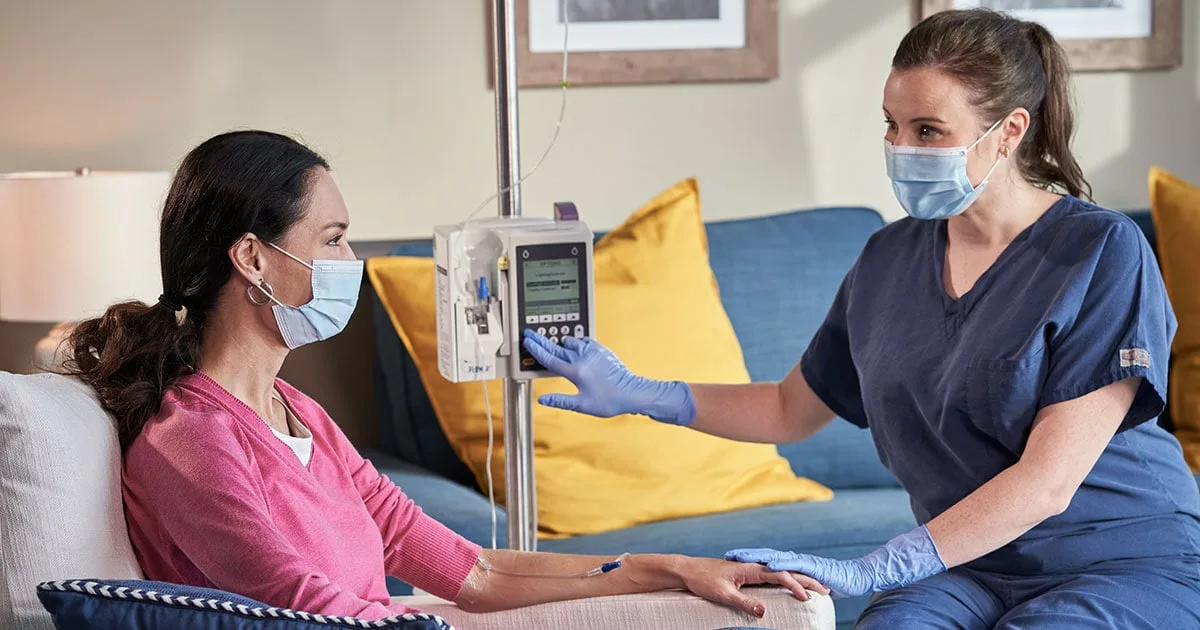
Chemotherapy
Primary treatment for many blood cancers , Given in cycles with careful monitoring
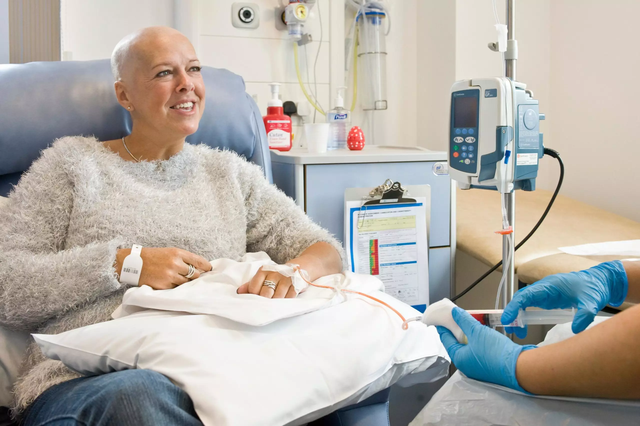
Targeted Therapy
Precision medicines targeting specific cancer cell abnormalities, Fewer side effects compared to traditional chemotherapy
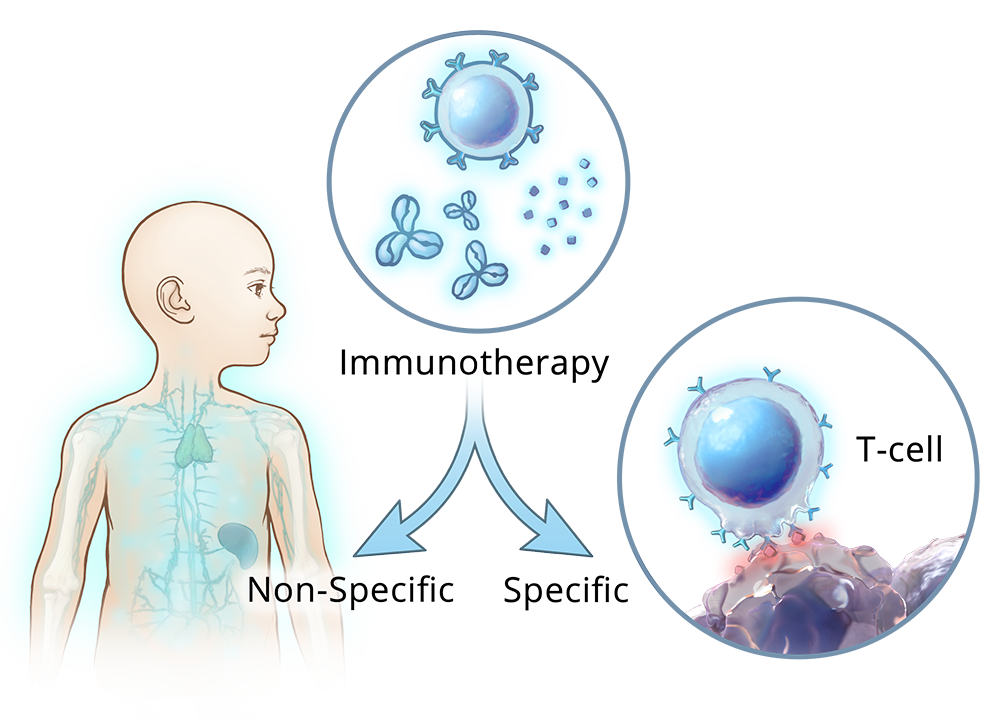
Immunotherapy
Strengthens the immune system to fight cancer, Effective in several leukemias and lymphomas
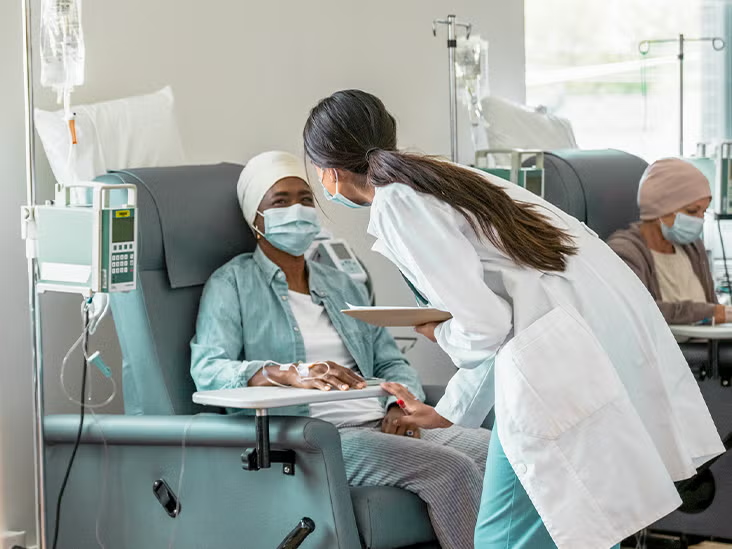
Supportive & Palliative Care
Management of symptoms and side effects Nutritional, psychological, and pain support