




Prostate Cancer Treatment
Prostate Cancer Treatment & Care at H.O.P.E Oncology Clinic
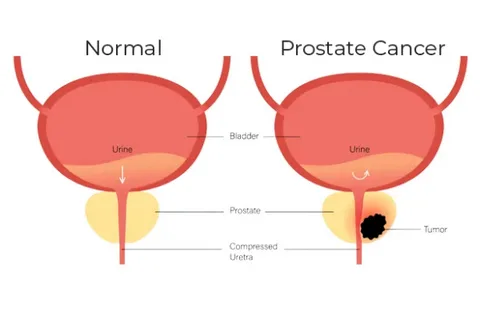
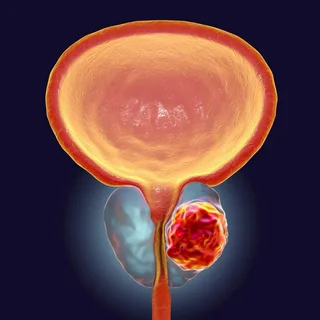
Prostate cancer develops in the prostate gland — a small walnut-shaped organ located below the bladder that produces seminal fluid in men.
It is one of the most common cancers among men, especially those over the age of 50.
At H.O.P.E Oncology Clinic, we provide comprehensive, evidence-based care designed to detect prostate cancer early, treat it effectively, and maintain a man’s quality of life throughout the journey.
Prostate cancer often grows slowly and may cause no symptoms in the early stages.
This makes regular screening with PSA (Prostate-Specific Antigen) tests and clinical evaluation extremely important for men in midlife, especially those with a family history.
Understanding Prostate Cancer
Prostate cancer most commonly begins in the gland cells responsible for producing semen, known as adenocarcinoma.
Risk factors include:
- Advancing age
- Genetics and family history
- African or Asian ancestry variations
- Obesity and poor diet
- High testosterone levels
- Lifestyle and environmental exposures
Many men live long, healthy lives with prostate cancer — but timely diagnosis ensures the best outcomes.
Common Symptoms
Symptoms may vary depending on stage and tumour size, including:
- Frequent urination
- Difficulty starting or stopping urine flow
- Weak or interrupted urine stream
- Blood in urine or semen
- Pain during urination or ejaculation
- Pelvic, back, or hip pain (advanced stage)
- Fatigue or unexplained weight loss
Some men experience no symptoms at all, which is why screening matters.
Diagnosis & Evaluation
H.O.P.E Oncology Clinic uses precise and modern tools to identify and classify prostate cancer:
- PSA Blood Test
- Digital Rectal Examination
- MRI Scan or PET-PSMA Scan
- Prostate Biopsy
- Bone Scan, CT or MRI to check spread
- Genomic & molecular testing for personalised therapy decisions
These help guide targeted treatment planning.
Treatment Options at H.O.P.E Oncology Clinic
Treatment depends on age, cancer stage, aggressiveness, health condition, and patient preference.
Our approach is tailored to provide the most effective treatment with the least long-term impact.
- Active Surveillance – Monitoring slow-growing cancers with tests instead of immediate treatment
- Surgery (Radical Prostatectomy) – Removes prostate gland while preserving nerve function if possible
- Laparoscopic & Robotic Surgery – Smaller cuts, faster recovery, higher precision
- Radiation Therapy – External beam or brachytherapy to shrink or destroy cancer
- Hormone (Androgen Deprivation) Therapy – Blocks male hormones that help cancer grow
- Chemotherapy – For advanced cases
- Targeted Therapy & Immunotherapy – Based on genetic alterations
- Bone-directed therapy – Prevents spread complications in metastatic disease
We aim to protect sexual, urinary, and overall wellbeing while treating cancer aggressively when required.
Advanced Prostate Cancer Treatment Options
Treatment is customized based on cancer type, stage, genetic profile, and patient health.

Chemotherapy
Primary treatment for many blood cancers , Given in cycles with careful monitoring

Targeted Therapy
Precision medicines targeting specific cancer cell abnormalities, Fewer side effects compared to traditional chemotherapy
Immunotherapy
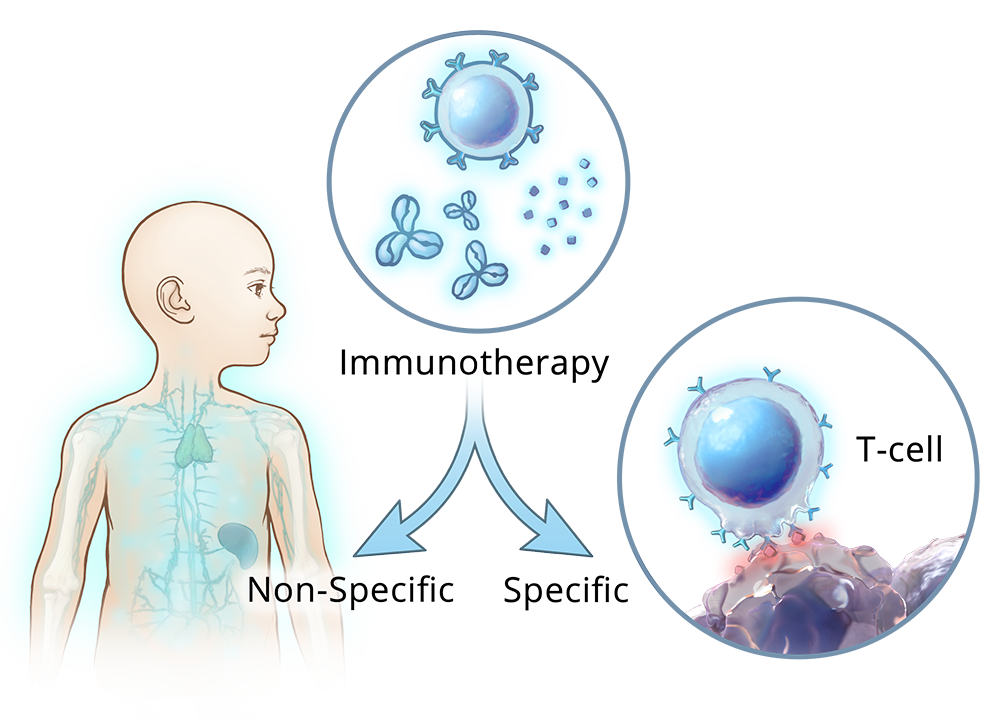
Strengthens the immune system to fight cancer, Effective in several leukemias and lymphomas
Supportive & Palliative Care
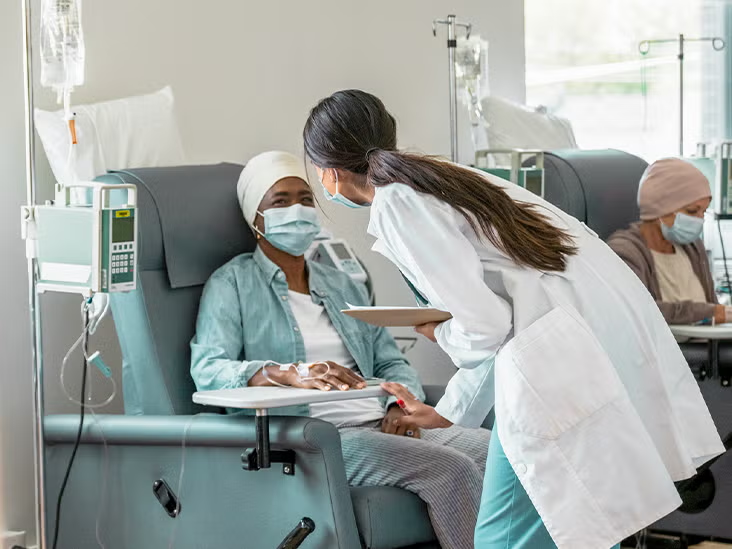
Management of symptoms and side effects Nutritional, psychological, and pain support