


Intestinal Cancer Treatment
Intestinal Cancer Treatment & Care at H.O.P.E Oncology Clinic
Intestinal cancer develops when abnormal cells begin growing uncontrollably in the small or large intestine.
At H.O.P.E Oncology Clinic, our mission is to provide advanced, evidence-based treatment options backed by expert surgical, medical, and supportive care — ensuring patients receive comprehensive treatment from diagnosis to recovery.
We focus not only on removing the cancer but also on preserving digestive function and improving the patient’s long-term quality of life.
Understanding Intestinal Cancer
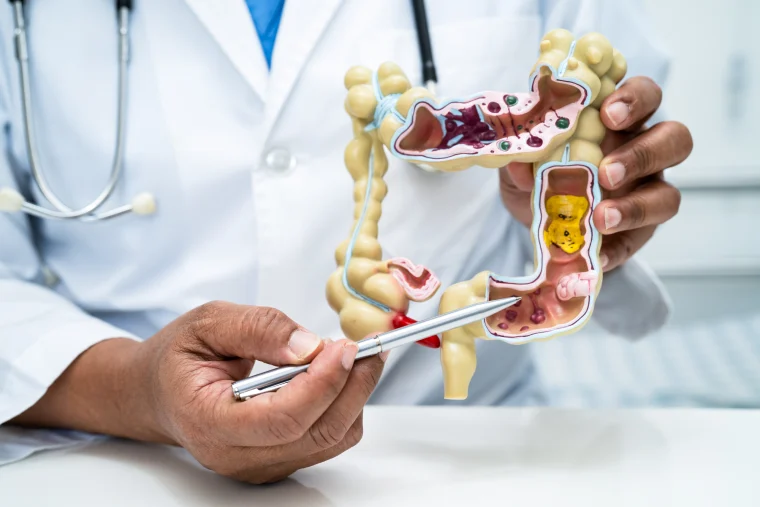
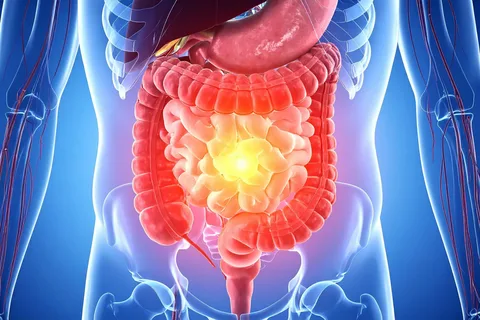
The intestine is a vital part of the digestive system.
Cancer in this area most commonly affects:
- Small intestine (small bowel cancer)
- Large intestine / colon
- Rectum
- Appendix (rare forms)
Risk factors may include genetic mutations, inflammatory bowel disease, obesity, smoking, family history, and poor diet.
Because early symptoms are often subtle, intestinal cancer may remain unnoticed until it progresses, making awareness crucial.
Common Symptoms
Symptoms may vary by location and stage of the cancer.
Patients often experience:
- Persistent abdominal pain or cramps
- Unexplained weight loss
- Change in bowel habits — constipation or diarrhea
- Blood in stools or black (tarry) stools
- Severe fatigue and weakness
- Loss of appetite
- Bloating or feeling full quickly
If these symptoms last more than a few weeks, medical evaluation is important.
Diagnosis & Evaluation
At H.O.P.E Oncology Clinic, diagnosis is carried out with precision imaging and expert assessment to determine cancer stage and spread.
- Colonoscopy / Endoscopy – Direct visualization + biopsy
- CT / MRI Scans – Identify tumour size and involvement
- PET Scan – Detects spread to other organs
- Biopsy Analysis – Confirms cancer type
- Tumor Marker Blood Tests
- Genetic / Molecular Testing – Helps tailor targeted therapy
Our team analyzes results to create a personalised care plan for each patient.
Personalised Treatment Options at H.O.P.E Oncology Clinic
Treatment depends on the cancer type, location, stage, and patient health.
We offer:
- Surgery – Primary treatment to remove the tumour and restore intestinal continuity
- Laparoscopic & Robotic Surgery – Smaller cuts, faster recovery, minimal pain
- Chemotherapy – Kills cancer cells throughout the body
- Radiation Therapy – Most useful in rectal cancers to shrink tumors pre-surgery
- Targeted Therapy – Precision medicines for tumour-specific changes
- Immunotherapy – Activates the immune system to recognize and fight cancer
- Palliative Care & Pain Management – For advanced stages to improve comfort
Patients also benefit from nutrition support, infection monitoring, physiotherapy, and emotional counselling.
Advanced Intestinal Cancer Treatment Options
Treatment is customized based on cancer type, stage, genetic profile, and patient health.

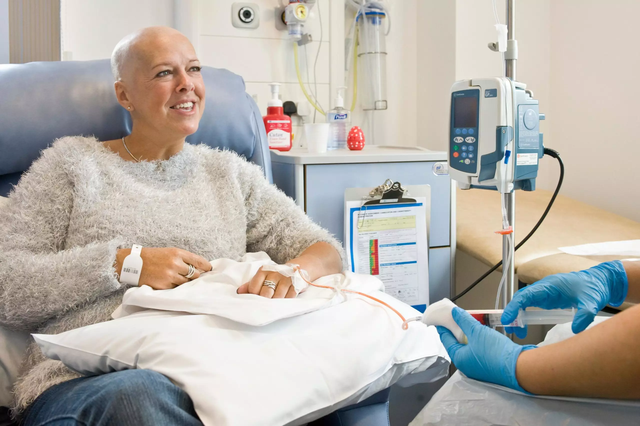
Chemotherapy
Primary treatment for many blood cancers , Given in cycles with careful monitoring
Targeted Therapy
Precision medicines targeting specific cancer cell abnormalities, Fewer side effects compared to traditional chemotherapy
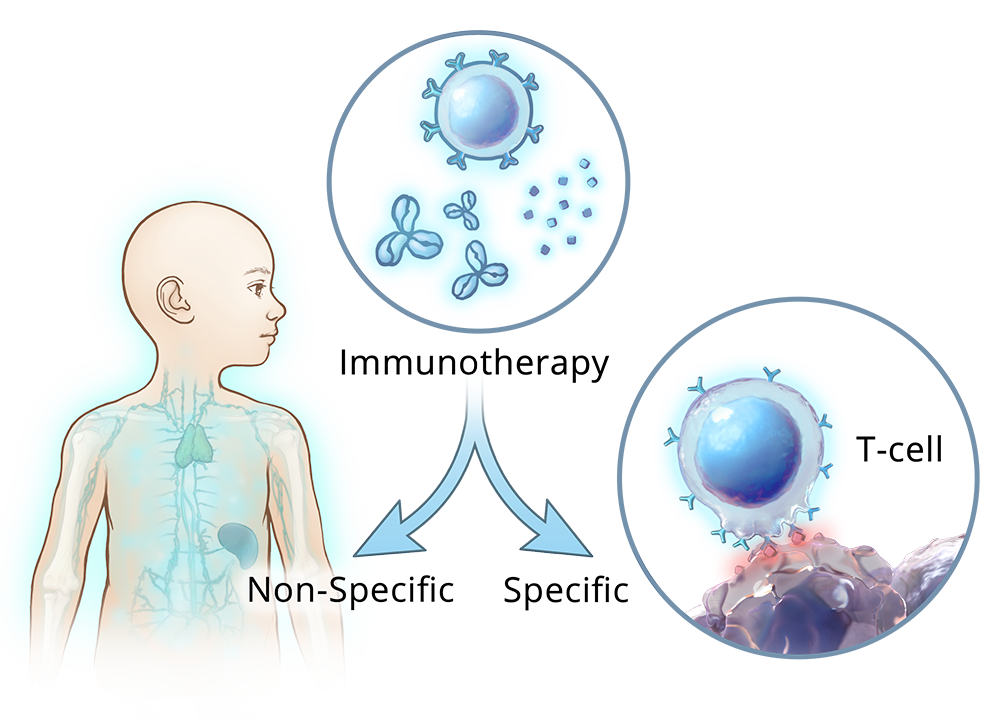
Immunotherapy
Strengthens the immune system to fight cancer, Effective in several leukemias and lymphomas
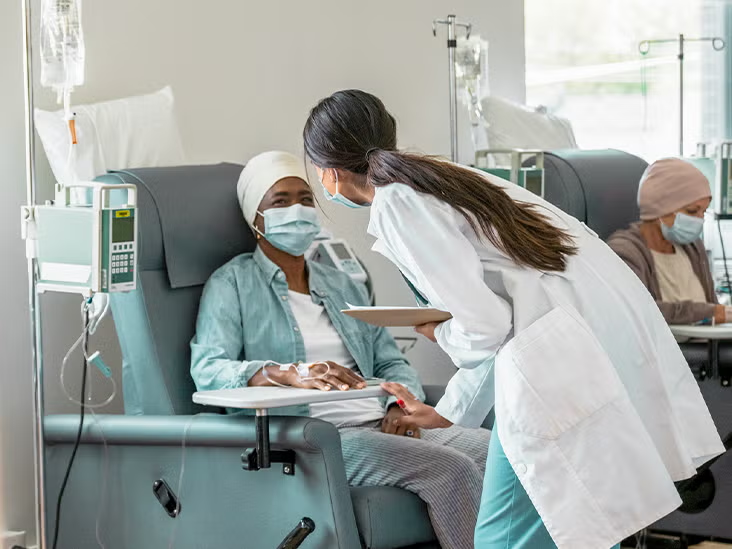
Supportive & Palliative Care
Management of symptoms and side effects Nutritional, psychological, and pain support